
Blog
Validated by ISSO
The Hysopt software has been validated by ISSO. The report literally praises our software as a "powerful tool for optimizing HVAC systems".

Latest blogs

How Redundant Cooling Changes Data Center Water Sizing
Discover how redundant cooling changes data center water sizing and how dynamic simulation helps validate flow, pressure, pumps, valves and failover conditions.

How Rack Density Complicates Hydronic Data Center Cooling
Discover how higher rack density complicates hydronic data center cooling and how dynamic simulation helps validate flow, pressure, controls, redundancy and liquid cooling.
High-Density Data Center Hydronic Cooling Guide
Discover how high-density data centers impact hydronic cooling design, from higher flow demands and liquid cooling to controls, redundancy and thermal risk.
Industry insights. Delivered monthly.
Receive the latest information and resources from Hysopt directly in your inbox. Subscribe now to our monthly newsletter.
Thank you! Your submission has been received!
Oops! Something went wrong while submitting the form.

What Makes Data Center Cooling Hydraulics Complex
Discover what makes data center cooling hydraulics complex and how physics-based simulation helps validate flow, pressure, controls, redundancy and changing loads.

Hysopt for Data Center Cooling Water Simulation
Simulate complex data center cooling water systems with Hysopt. Model hydraulics, changing loads, redundancy, controls and failure scenarios before construction or commissioning.

How to Test Data Center Cooling Redundancy in 2027
Test data center cooling redundancy before commissioning. Discover how HVAC simulation validates pump and chiller failures, failover sequences, part-load conditions and hydronic resilience.

Hysopt for Data Center Cooling Failure Validation
Test data center cooling failure scenarios before construction. Discover how Hysopt validates redundancy, pump and chiller failures, controls and hydronic resilience with physics-based simulation.

Hysopt for Data Center Cooling Validation
Validate data center cooling before construction. Discover how Hysopt models chilled water networks, tests redundancy, part-load behaviour and controls, and reduces commissioning risk.
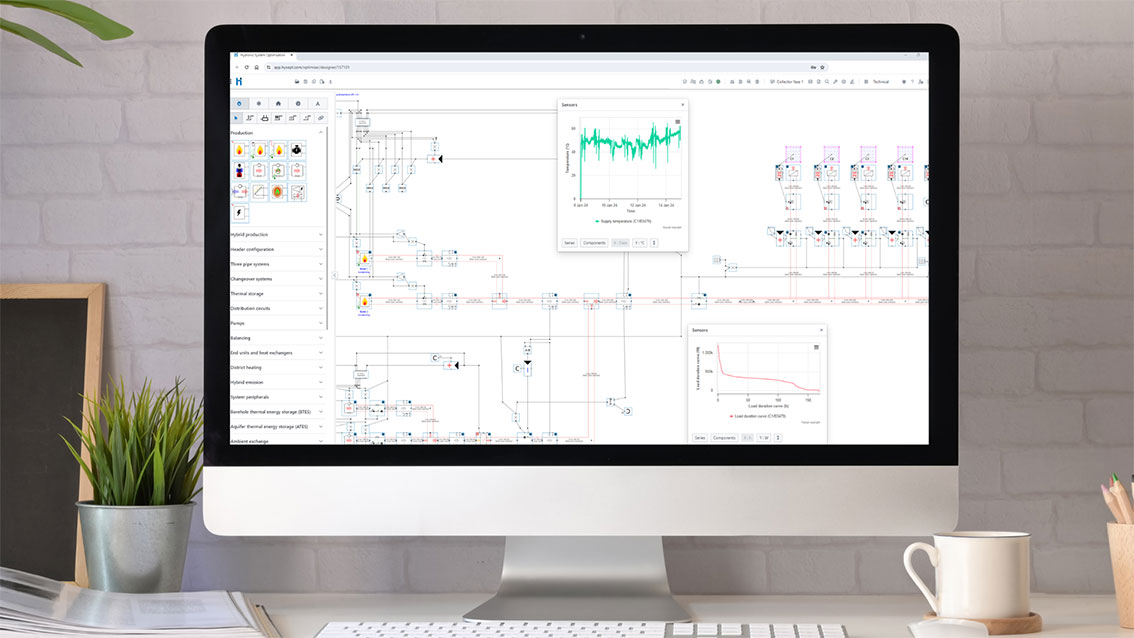
Hysopt Simulator for HVAC Commissioning Drift
Discover how Hysopt Simulator helps trace HVAC commissioning drift, identify hidden hydronic errors and improve long-term system reliability through physics-based simulation.

9 Reasons HVAC Projects Underperform After Handover
Discover 9 reasons HVAC projects underperform after handover and how connected design, simulation, commissioning and operational data help close the gap between design intent and real building performance.

How to Prevent Hydronic HVAC Commissioning Errors
Prevent hydronic HVAC commissioning errors before handover. Discover how connected design data, hydraulic validation and control testing improve efficiency, reliability and long-term system performance.

How to Build an HVAC Digital Twin Workflow in 2027
Build a connected HVAC digital twin workflow for 2027. Discover how Hysopt connects feasibility, hydronic design, simulation, BIM and commissioning in one physics-based engineering workflow.
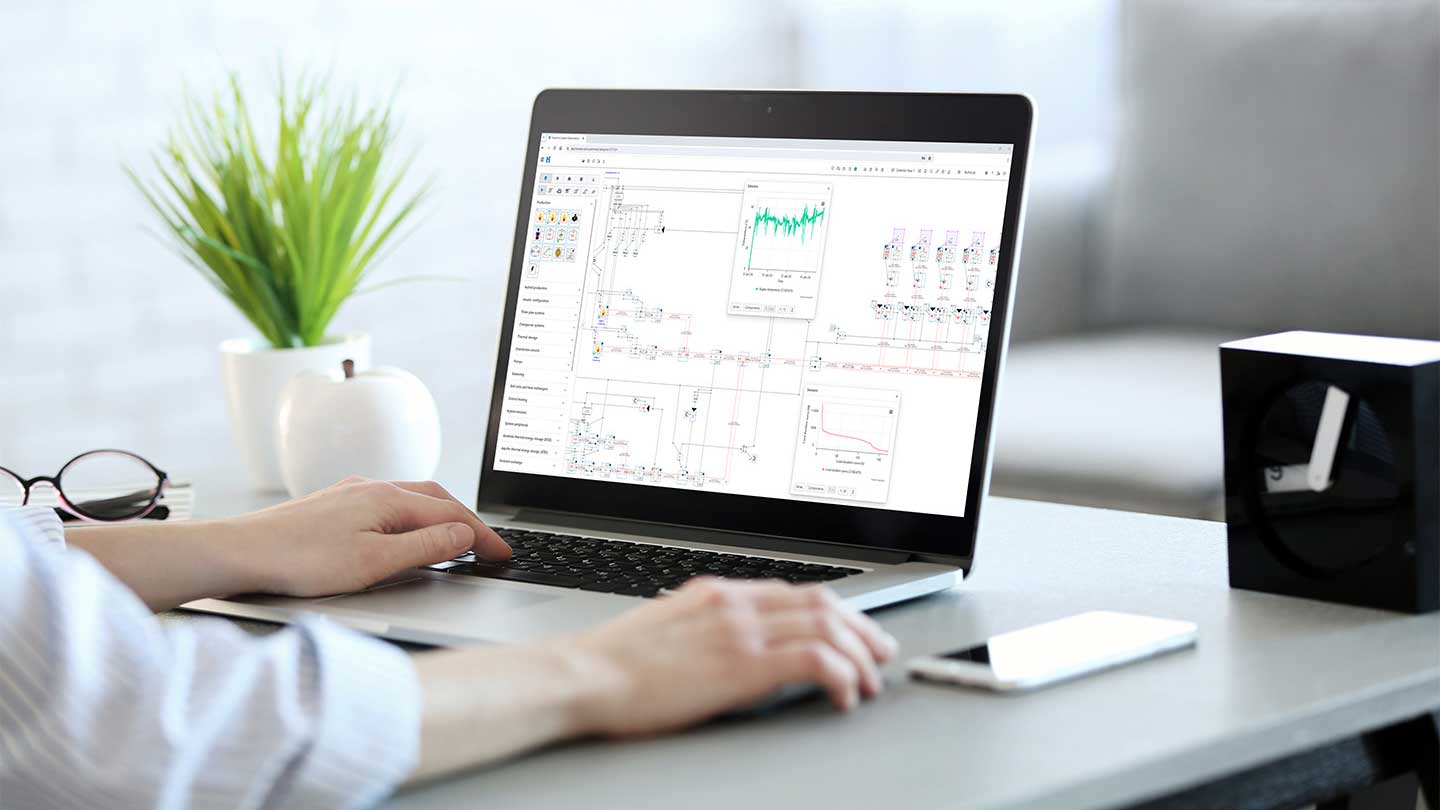
Hysopt Simulator for Complex HVAC Design Validation
Validate complex HVAC systems before construction. Discover how Hysopt Simulator uses physics-based simulation to test controls, part-load behaviour, equipment interactions and seasonal performance.

Hysopt Calculator for HVAC Commissioning Workflows
Improve HVAC commissioning with connected hydraulic calculations and component selection. Discover how Hysopt Calculator reduces manual errors, supports design changes and prepares reliable commissioning values.
How to Keep Hydronic HVAC Calculations Consistent
Keep hydronic HVAC calculations consistent through every design change. Discover how a single-model workflow reduces calculation drift, rework and outdated engineering data.

Hydronic HVAC Interoperability in 2027
Improve hydronic HVAC interoperability in 2027. Discover how connected sizing, simulation, BIM and commissioning workflows reduce design drift, rework and inconsistent calculations.

Hysopt Data Centre HVAC Simulation: Reduce Hydronic Project Risk Before Construction
Reduce data centre HVAC project risk with dynamic hydronic simulation. Discover how Hysopt validates seasonal performance, control strategies and commissioning readiness before construction.

How to Replace HVAC Sizing Spreadsheets in 2027
Replace HVAC sizing spreadsheets with connected hydronic design software. Discover how Hysopt Designer automates calculations, validates system behaviour and improves engineering workflows.

7 Hydronic HVAC Data Gaps Between Calculation Tools
Eliminate HVAC engineering data gaps. Discover how Hysopt connects hydraulic calculations, BIM, simulation and commissioning in one hydronic digital twin for consistent HVAC design.
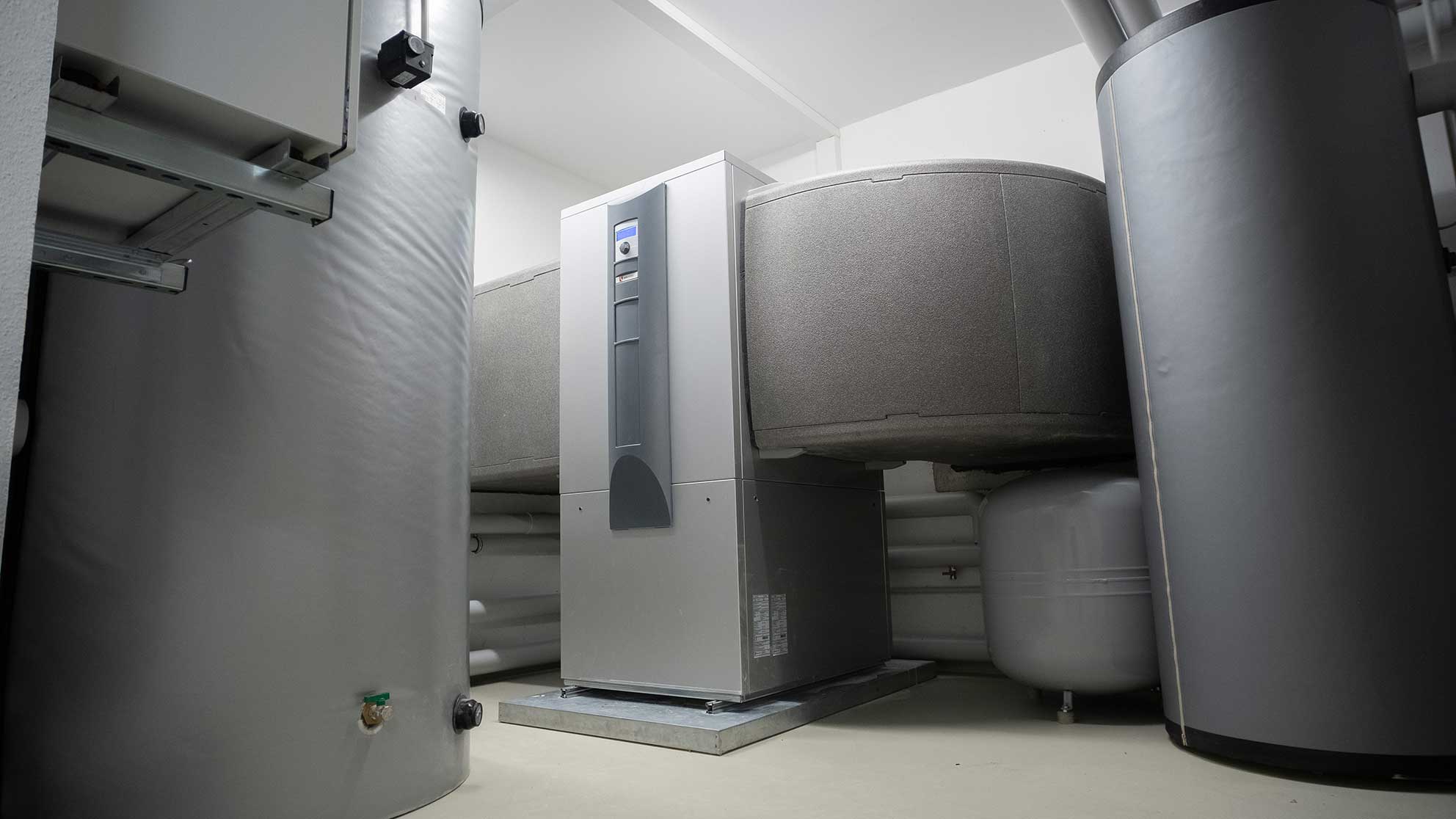
7 Signs Static HVAC Models Miss Annual Performance
Go beyond static HVAC calculations. Discover how Hysopt Simulator predicts annual performance, part-load behaviour and control strategies with dynamic hydronic simulation and one physics-based digital twin.

How HVAC Feasibility Studies Shape Carbon Targets
Compare HVAC decarbonisation pathways with confidence. Discover how Hysopt Feasibility evaluates CAPEX, OPEX, energy use and CO₂ emissions to support better low-carbon HVAC decisions.

Hysopt Simulator for Hydronic HVAC Integration
Integrate hydronic HVAC design and dynamic simulation in one workflow. Discover how Hysopt Simulator connects system modelling, control strategies and performance analysis using one physics-based digital twin.

Hysopt Designer for Hydronic Design Changes
Manage hydronic HVAC design changes with confidence. Discover how Hysopt Designer automatically recalculates flows, pressures, pipe sizing and component selection using one physics-based digital twin.

Hysopt Feasibility for HVAC Concept Studies
Compare HVAC concepts faster with physics-based feasibility analysis. Discover how Hysopt Feasibility evaluates design alternatives, validates key assumptions and compares CAPEX, OPEX and CO₂ in one connected workflow.

Hysopt BIM Syncer for HVAC BIM Data Consistency
Keep HVAC calculations and BIM models aligned. Discover how Hysopt BIM Syncer connects hydronic engineering data with BIM to identify changes, preserve design intent and reduce coordination errors.
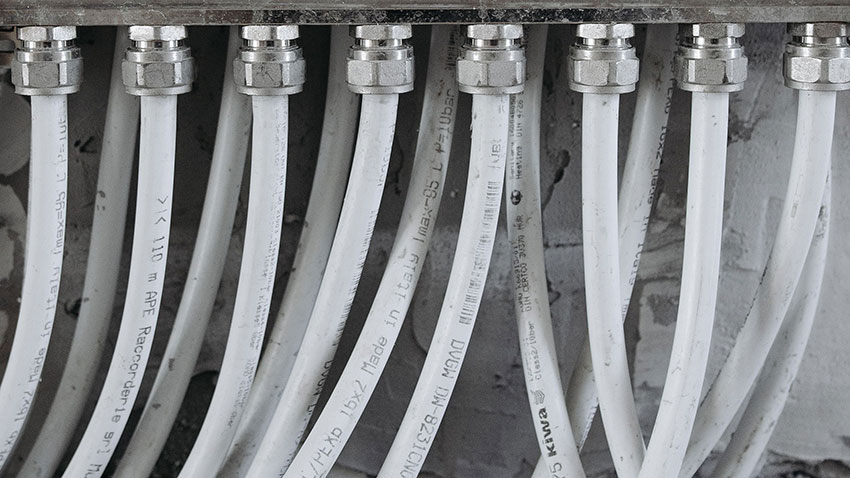
Hysopt Feasibility for HVAC Retrofit Decisions
Make better HVAC retrofit decisions with physics-based feasibility analysis. Discover how Hysopt Feasibility compares retrofit concepts, validates system assumptions and reduces downstream design and commissioning risk.
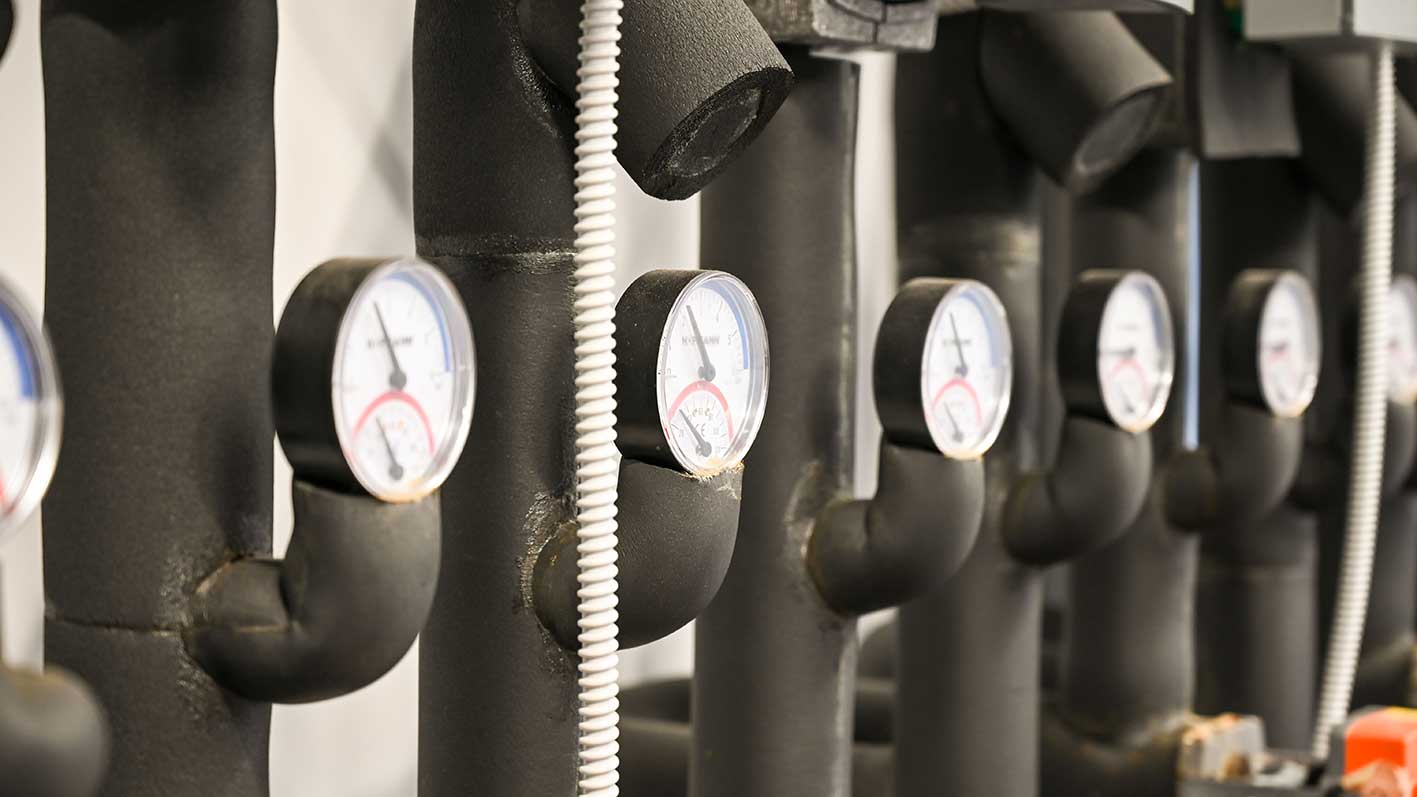
Hysopt Simulator for Complex HVAC Project Risk
Reduce HVAC design risk with dynamic hydronic simulation. Discover how Hysopt Simulator validates control strategies, part-load performance and complex operating scenarios before construction begins.

HVAC Commissioning Software for Hydraulic Calculation
Improve HVAC commissioning with connected hydraulic calculations. Discover how Hysopt Calculator links pipe sizing, pump and valve selection, and commissioning presets in one physics-based hydronic digital twin.

Hysopt Simulator for HVAC Comfort and Energy Analysis
Analyse HVAC energy use and thermal comfort with dynamic hydronic simulation. Discover how Hysopt Simulator predicts seasonal performance, part-load behaviour and control strategies using one physics-based digital twin.

Hysopt Calculator for Valve and Pump Sizing
Improve HVAC commissioning with accurate valve and pump sizing. Discover how Hysopt Calculator connects component selection, hydronic calculations and commissioning data in one physics-based digital twin.

Hysopt Designer for HVAC Design-Build Teams
Design hydronic HVAC systems with confidence. Discover how Hysopt Designer connects calculations, system layouts, BIM and commissioning in one physics-based digital twin.

Hysopt Simulator for Seasonal Hydronic Performance
Predict real-world HVAC performance with dynamic hydronic simulation. Discover how Hysopt Simulator models seasonal operation, part-load efficiency and control strategies before construction begins.

9 Checks Before Using HVAC Feasibility Software
Choose HVAC feasibility software with confidence. Discover 9 essential checks to compare platforms that support faster concept evaluation, stronger tender proposals and better early-stage engineering decisions.

8 Skills HVAC Engineers Need for Faster Option Evaluation
Develop faster, better HVAC concepts with these 8 essential feasibility skills. Learn how HVAC feasibility software helps engineers compare design variants, evaluate performance and make confident early-stage decisions.

10 Causes of Fragmented HVAC Design Workflows
Discover the 10 most common causes of fragmented HVAC design workflows and learn how integrated HVAC software keeps calculations, BIM, simulation and commissioning connected.

7 Tender-Phase HVAC Software Lessons for Design-Build Teams
Improve your HVAC tender process with these 7 practical lessons. Learn how HVAC feasibility software helps design-build teams compare concepts, reduce risk and deliver stronger, evidence-based proposals.

11 Questions Before Choosing Hydronic HVAC Software
Choosing hydronic HVAC software? Discover 11 essential questions to evaluate design tools that improve calculation accuracy, streamline design changes and support successful HVAC project delivery.

8 Lessons From Hydronic HVAC Software Breakdowns
Hydronic HVAC software fails when engineering workflows become fragmented. Discover 8 practical lessons for choosing integrated HVAC design software that keeps calculations, BIM and commissioning aligned.

10 Reasons Hydronic HVAC Calculations Break
Hydronic HVAC calculations often fail because engineering data becomes disconnected across tools. Discover the 10 most common causes and how connected HVAC design workflows improve accuracy, consistency and project performance.

Replace Excel for Hydronic HVAC Design in 2026
Learn why Excel creates errors in hydronic HVAC design and discover how dedicated engineering software improves automation, data validation and reliable system sizing.

10 Essential Outputs HVAC Feasibility Software Should Deliver for Tender Design
Discover the 10 essential outputs HVAC feasibility software should provide to support early-stage concept comparisons, faster tender decisions and data-driven HVAC system selection.
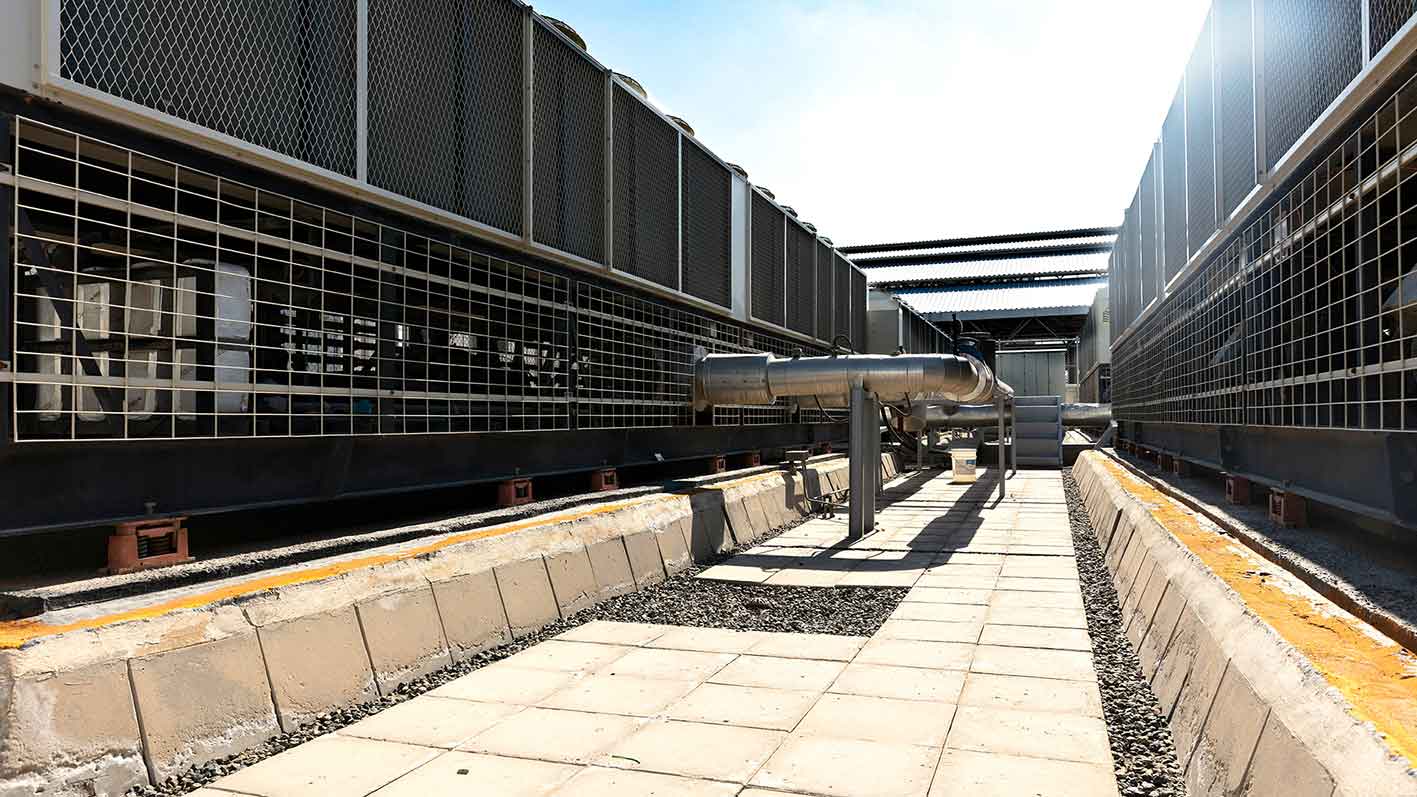
IFC Data Exchange: Why BIM and HVAC Models Drift Apart
Discover why HVAC calculation models and BIM models drift apart during IFC data exchange, and learn how integrated workflows improve model consistency, reduce coordination errors and maintain reliable engineering data.

8 Essential Criteria for HVAC Commissioning Software
Discover the eight essential criteria for choosing HVAC commissioning software that combines component selection, hydraulic calculations and system balancing within one integrated engineering workflow.

7 Requirements for Integrated HVAC Optimisation Software in 2026
Discover the seven essential requirements for HVAC optimisation software in 2026 and learn why integrated platforms outperform fragmented engineering tools throughout design, simulation, sizing and commissioning.

What Is MEP Model Drift in HVAC BIM Integration?
Learn what MEP model drift is, why HVAC calculation models and BIM models fall out of sync, and how integrated HVAC BIM integration prevents coordination errors and unreliable engineering decisions.

How to Keep HVAC Calculation and BIM Models Synced
Learn how to keep HVAC calculation models and BIM models synchronised throughout a project by managing design changes, version control and model handovers within an integrated engineering workflow.

Understanding HVAC BIM Model Drift During Design Changes
Learn why HVAC calculation models and BIM models drift out of sync during design changes, and discover how integrated HVAC BIM integration reduces errors, rework and coordination risk.

How to Choose Hydronic HVAC Commissioning Software
Learn how to choose hydronic HVAC commissioning software that validates control settings, component selection and hydraulic performance, helping engineering teams avoid costly commissioning issues.

Why HVAC Calculations Become BIM Geometry
Discover why HVAC calculation logic is often lost when models become BIM geometry, and learn how integrated HVAC BIM integration preserves design intent, engineering parameters and model consistency.

How Integrated HVAC Platforms Unify Project Delivery
Discover how integrated HVAC optimisation platforms connect feasibility studies, design, simulation, BIM and commissioning in one engineering environment, reducing rework and improving project delivery.
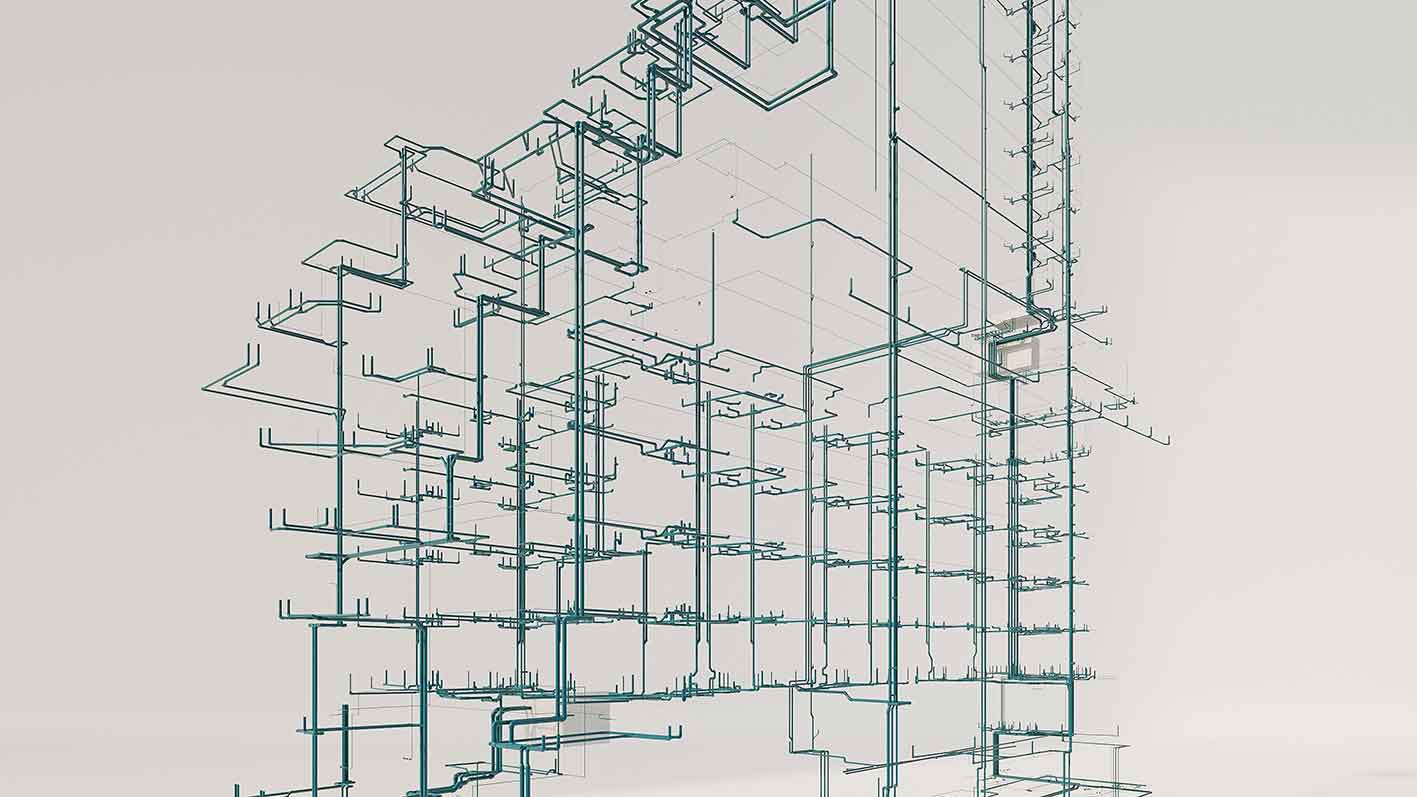
How HVAC Optimisation Platforms Unify Engineering Work
Discover how HVAC optimisation platforms connect design, simulation, BIM and commissioning in one physics-based environment, replacing disconnected engineering tools with an integrated workflow.

How to Validate Seasonal Hydronic HVAC Performance
Learn how to validate seasonal hydronic HVAC performance using dynamic simulation and discover why year-round system validation leads to more reliable commissioning and better long-term HVAC performance.

Why Static HVAC Tools Miss Hydronic Seasons
Discover why static HVAC design methods fail to capture seasonal hydronic performance and learn how dynamic commissioning improves HVAC system reliability, efficiency and long-term operation.


.png)
.png)