
Blog
Validated by ISSO
The Hysopt software has been validated by ISSO. The report literally praises our software as a "powerful tool for optimizing HVAC systems".

Latest blogs

How Redundant Cooling Changes Data Center Water Sizing
Discover how redundant cooling changes data center water sizing and how dynamic simulation helps validate flow, pressure, pumps, valves and failover conditions.

How Rack Density Complicates Hydronic Data Center Cooling
Discover how higher rack density complicates hydronic data center cooling and how dynamic simulation helps validate flow, pressure, controls, redundancy and liquid cooling.
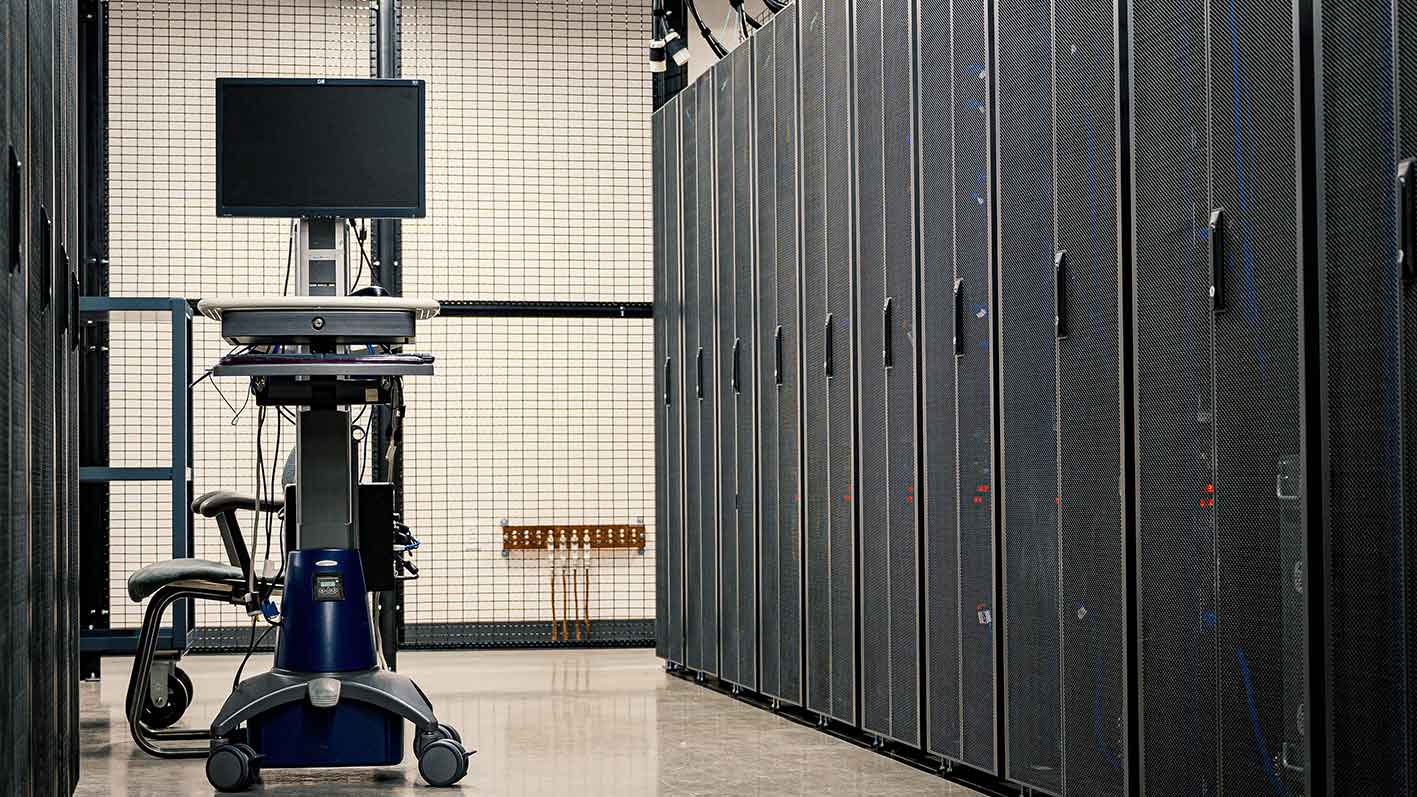
High-Density Data Center Hydronic Cooling Guide
Discover how high-density data centers impact hydronic cooling design, from higher flow demands and liquid cooling to controls, redundancy and thermal risk.
Industry insights. Delivered monthly.
Receive the latest information and resources from Hysopt directly in your inbox. Subscribe now to our monthly newsletter.
Thank you! Your submission has been received!
Oops! Something went wrong while submitting the form.
Why Early HVAC Feasibility Studies Fail
Discover why early HVAC feasibility studies often produce inaccurate results in design-build projects and how specialised HVAC feasibility software helps engineering teams make better early-stage decisions.

How to Diagnose HVAC Oversizing From Spreadsheets
Learn how to identify HVAC oversizing caused by spreadsheet-based load calculations, conservative safety margins and hydraulic sizing assumptions, and discover how simulation-based HVAC design tools improve engineering decisions.
How to Prevent HVAC Oversizing in 2026
Discover why spreadsheet-based load calculations often lead to HVAC oversizing and learn how simulation-based HVAC design tools help engineers improve sizing accuracy, reduce costs, and increase system performance.

Why Spreadsheet HVAC Design Leads to Oversizing
Learn why spreadsheet-based HVAC design often results in oversized systems, hidden engineering assumptions, and lower energy performance — and how dynamic simulation improves sizing accuracy.

7 Engineering Lessons from Modern Data Centre HVAC Projects
Explore practical lessons from confidential data centre HVAC projects, including chilled water systems, redundancy, failure mode analysis, transient response and simulation-driven design.

Designing HVAC systems for modern data centres: lessons from the field
Hysopt engineer Finn Hansenne shares lessons from active data centre HVAC projects, including redundancy, chilled water systems, transient analysis and simulation-driven design.

AI for HVAC Engineers: Why Engineering Expertise Matters More Than Generic AI
Artificial intelligence is changing engineering software—but for HVAC engineers, the real value isn't AI itself. It's having trusted engineering expertise available exactly when you need it. Discover how Hysopt DeltaT combines decades of HVAC engineering knowledge with AI to help engineers find answers faster, work with greater confidence and stay focused on engineering.

Hysopt Accelerates International Growth and Appoints Brian Wimberley as Chief Marketing Officer
As demand for simulation-driven HVAC engineering continues to grow, Hysopt is expanding internationally, advancing its platform, and strengthening its leadership team with the appointment of Brian Wimberley as Chief Marketing Officer.

Hysopt welcomes Belimo as a supported manufacturer
Hysopt expands its portfolio of supported HVAC manufacturers with Belimo. The first Belimo components are now available within Hysopt, with additional product families already in preparation.
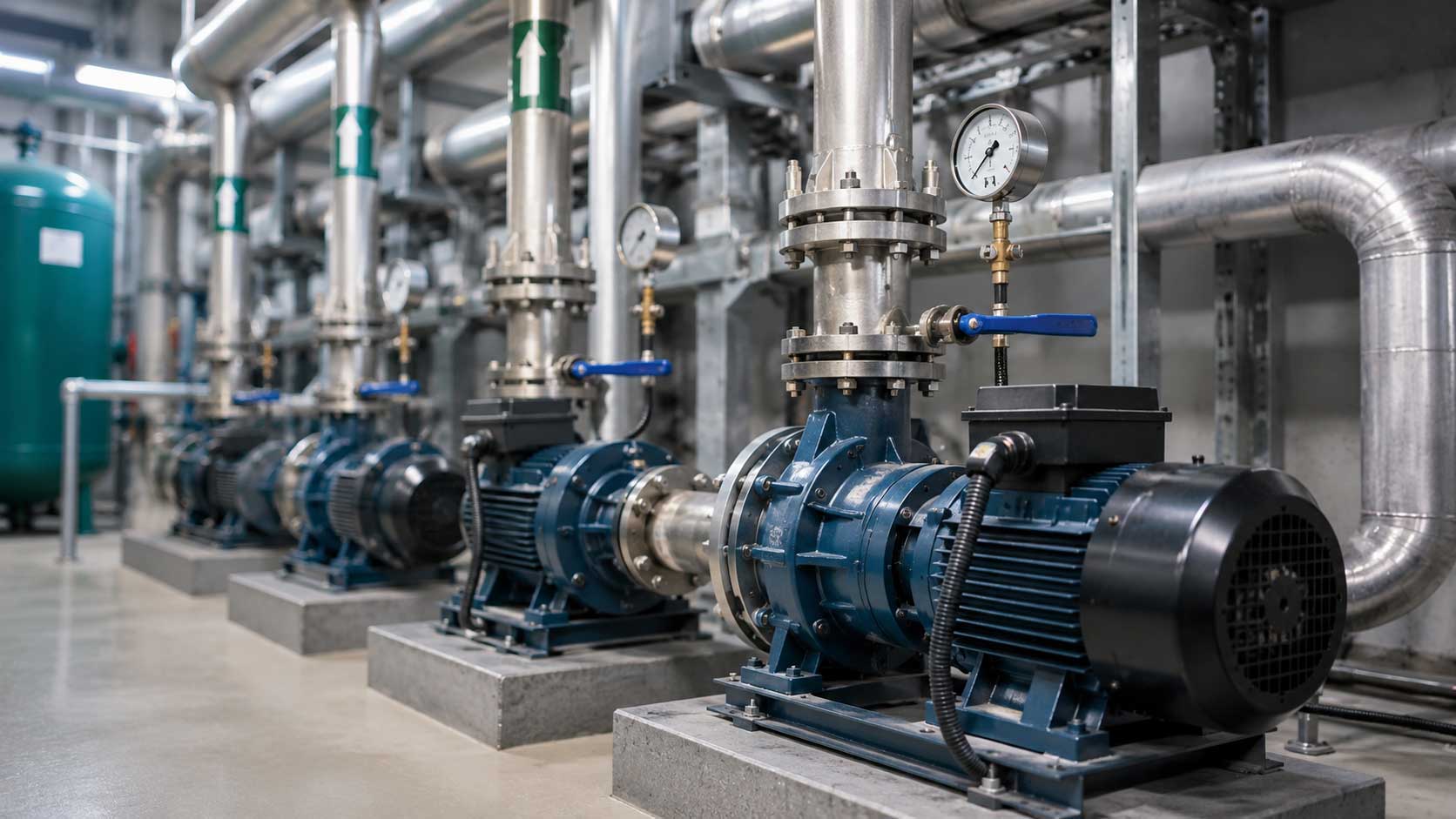
Why Part-Load Performance Matters More Than Peak Load
Most HVAC systems operate at part load for the majority of the year. Learn why part-load performance has a greater impact on energy efficiency than peak-load design conditions.

Common Hydronic Design Mistakes That Reduce HVAC Efficiency
Many HVAC systems underperform because of avoidable hydronic design mistakes. Learn the most common errors and how proper validation can improve efficiency, comfort and reliability.

Designing Efficient DHW Systems for Multi-Residential Buildings
Domestic hot water systems in multi-residential buildings must balance comfort, efficiency and peak demand. Learn how diversity, aggregation and HIU design influence DHW system performance.
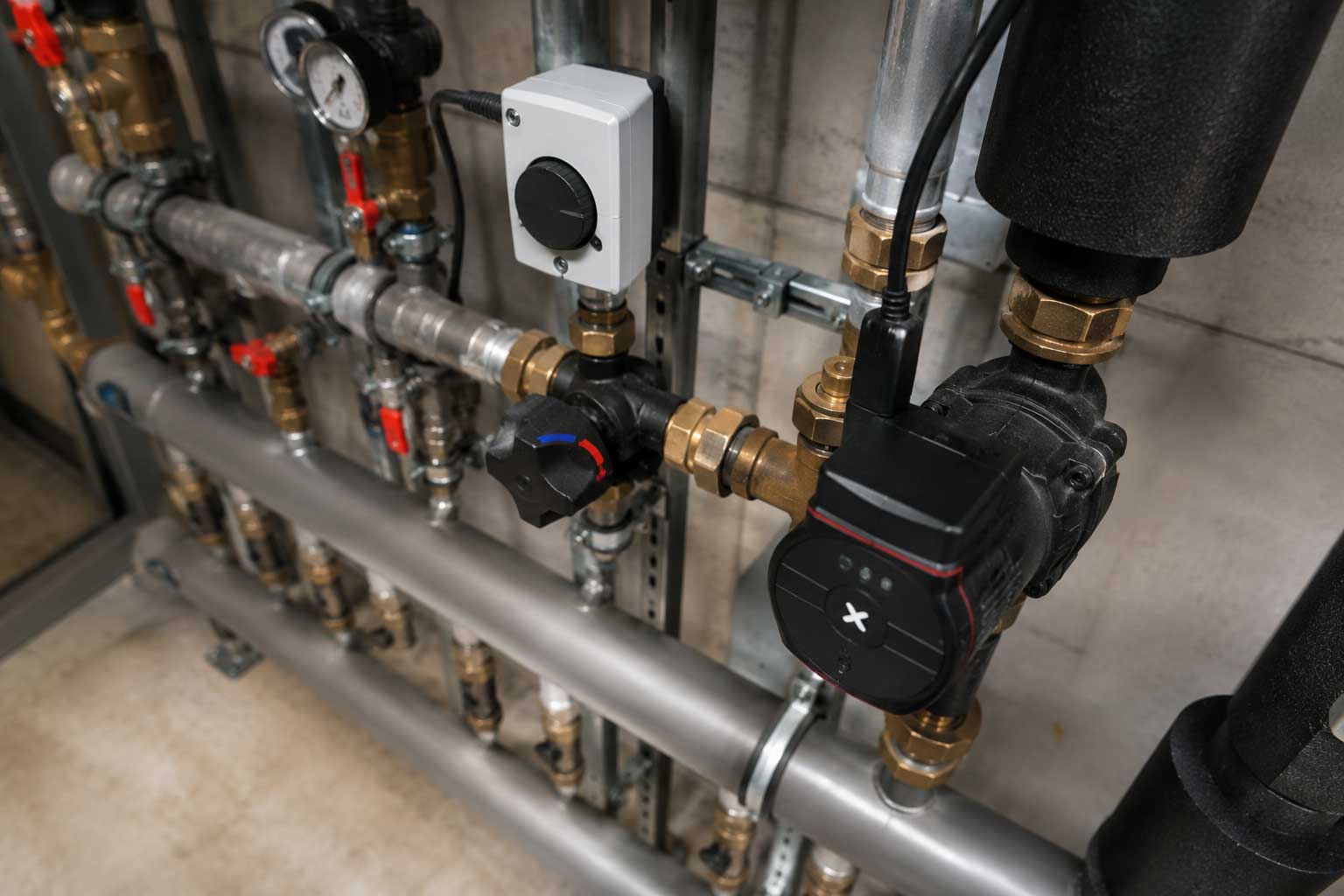
How Mixing Circuits Improve Temperature Control
Mixing circuits play a key role in hydronic HVAC systems by delivering precise supply temperatures to different loads. Learn how mixing circuits work and why they improve system control and efficiency.
Heat Pump Control Strategies for Commercial Buildings
Heat pump performance depends heavily on the chosen control strategy. Learn how different control approaches influence efficiency, comfort and system stability in commercial buildings.
Variable Flow HVAC Systems Explained
Variable flow HVAC systems improve energy efficiency by adjusting flow rates to match real demand. Learn how variable flow systems work and why they have become the standard in modern hydronic design.
Why Pump Head Matters in HVAC Design
Pump head is a critical parameter in hydronic HVAC systems. Learn how pump head affects flow distribution, energy consumption and overall system performance.
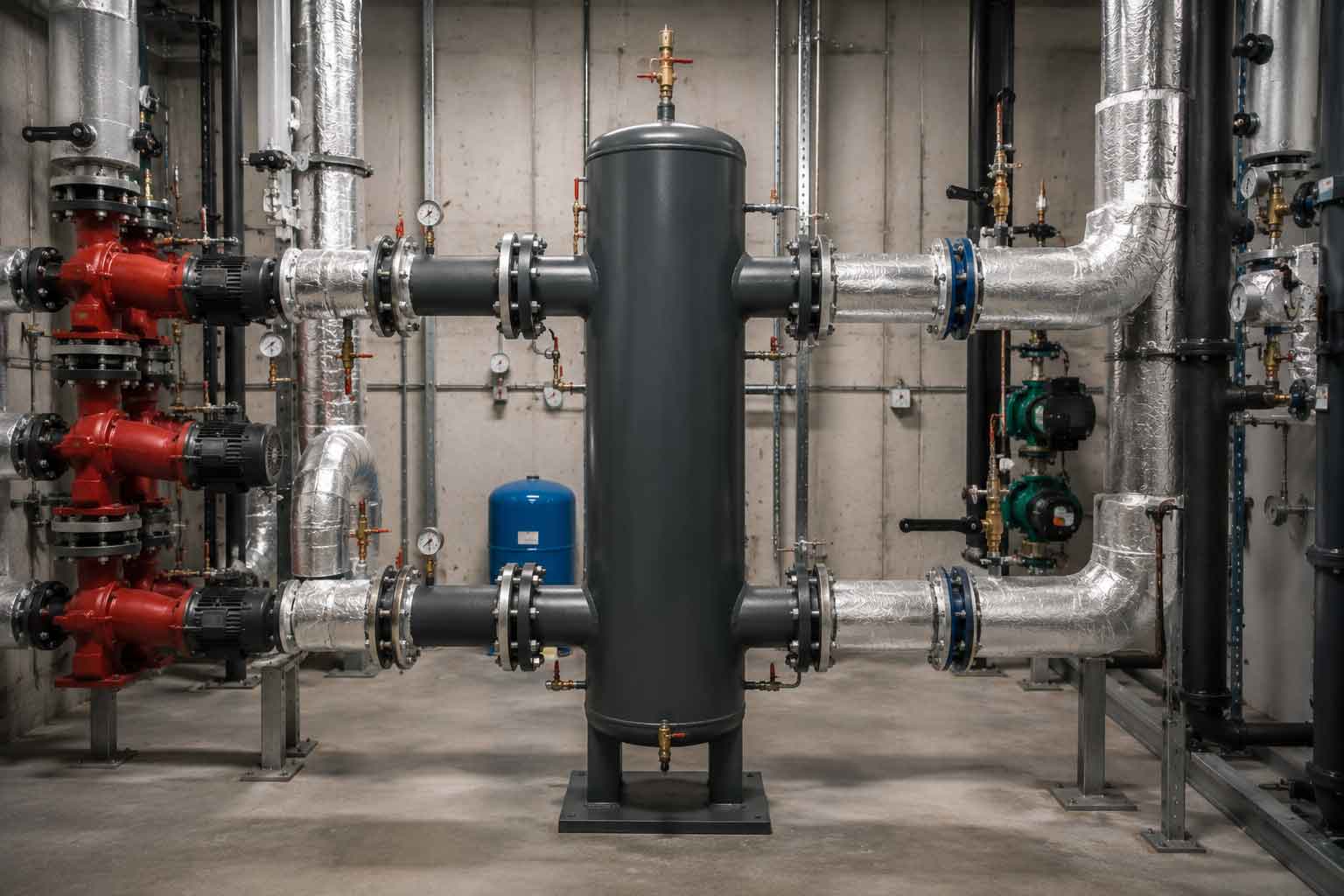
Hydronic Separation Explained
Hydronic separation improves stability, simplifies flow control and enhances HVAC system performance. Learn how hydraulic separation works and when it should be used in modern hydronic systems.
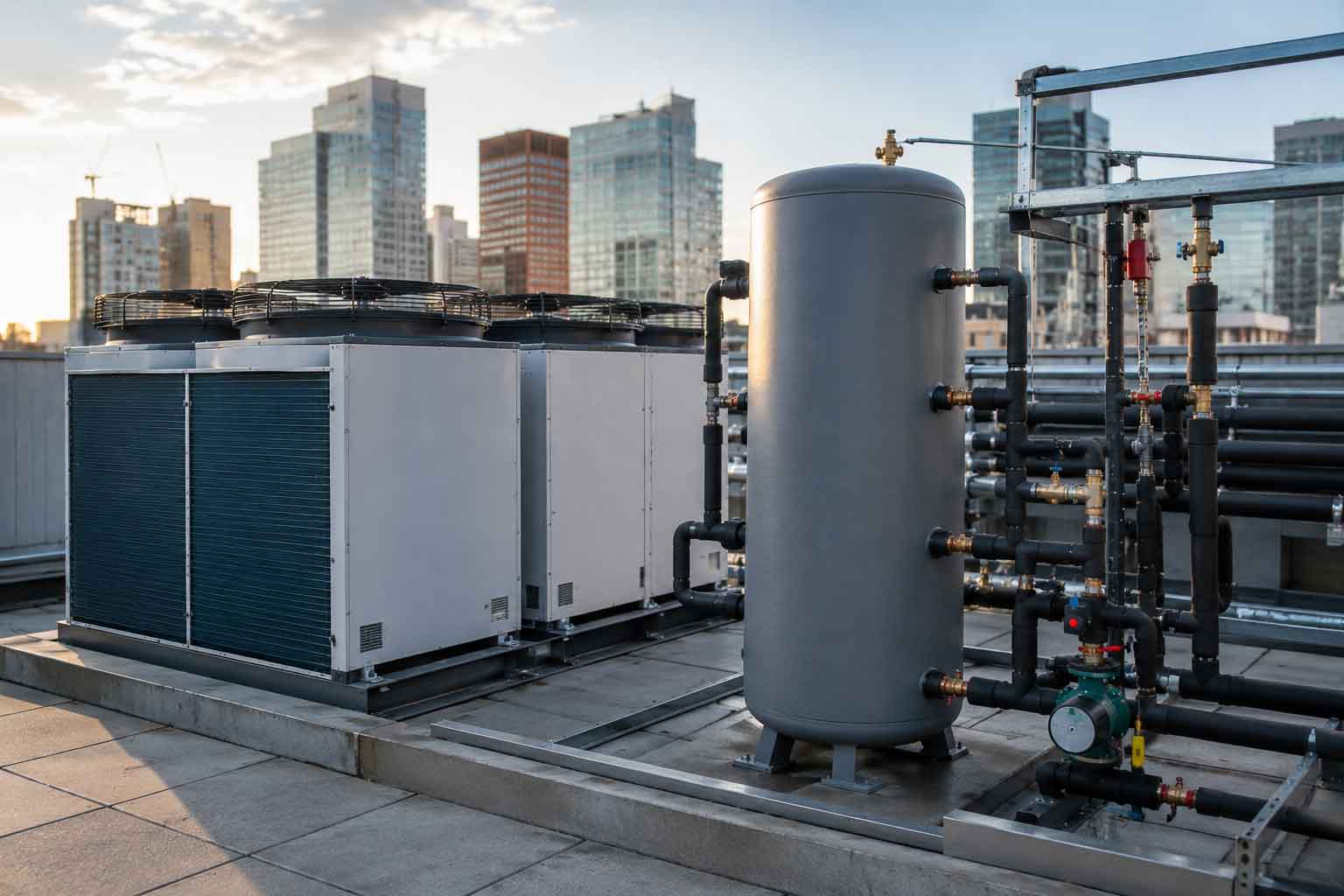
Buffer Tanks and Heat Pumps: Finding the Right Balance
Buffer tanks can improve heat pump performance, but incorrect sizing may reduce efficiency. Learn when buffer tanks are beneficial and how to determine the right storage volume.
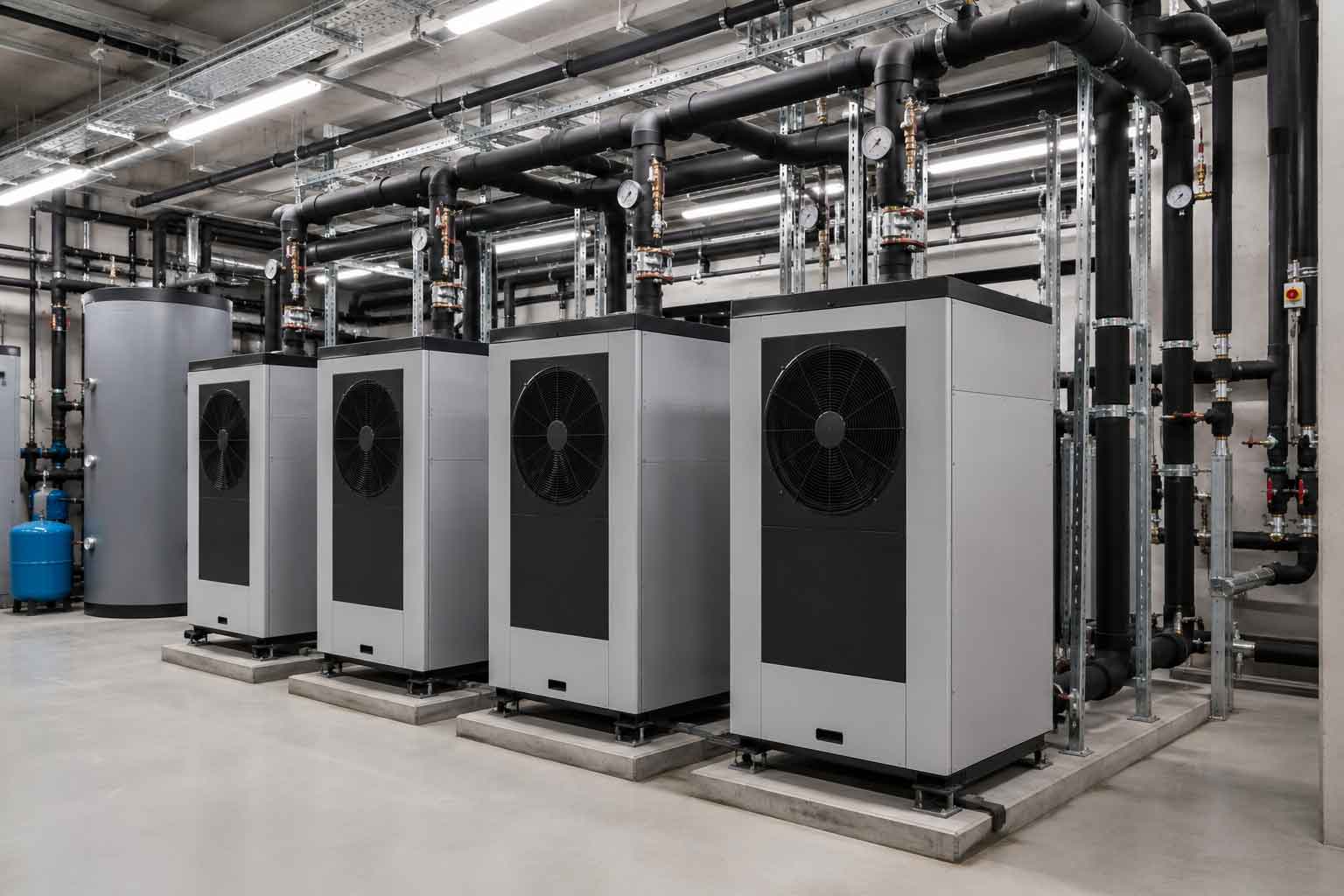
Heat Pump Cascade Systems Explained
Heat pump cascade systems improve efficiency, flexibility and reliability in larger HVAC installations. Learn how cascade control works and why it is widely used in commercial buildings.

District Heating Design for Modern Buildings
District heating systems offer an efficient way to supply thermal energy to buildings. Learn the key design considerations that influence hydraulic stability, energy efficiency and long-term performance.

Dynamic Simulation vs Traditional HVAC Calculations
Traditional HVAC calculations provide design-point results, while dynamic simulation reveals how systems behave over time. Learn the strengths and limitations of both approaches.
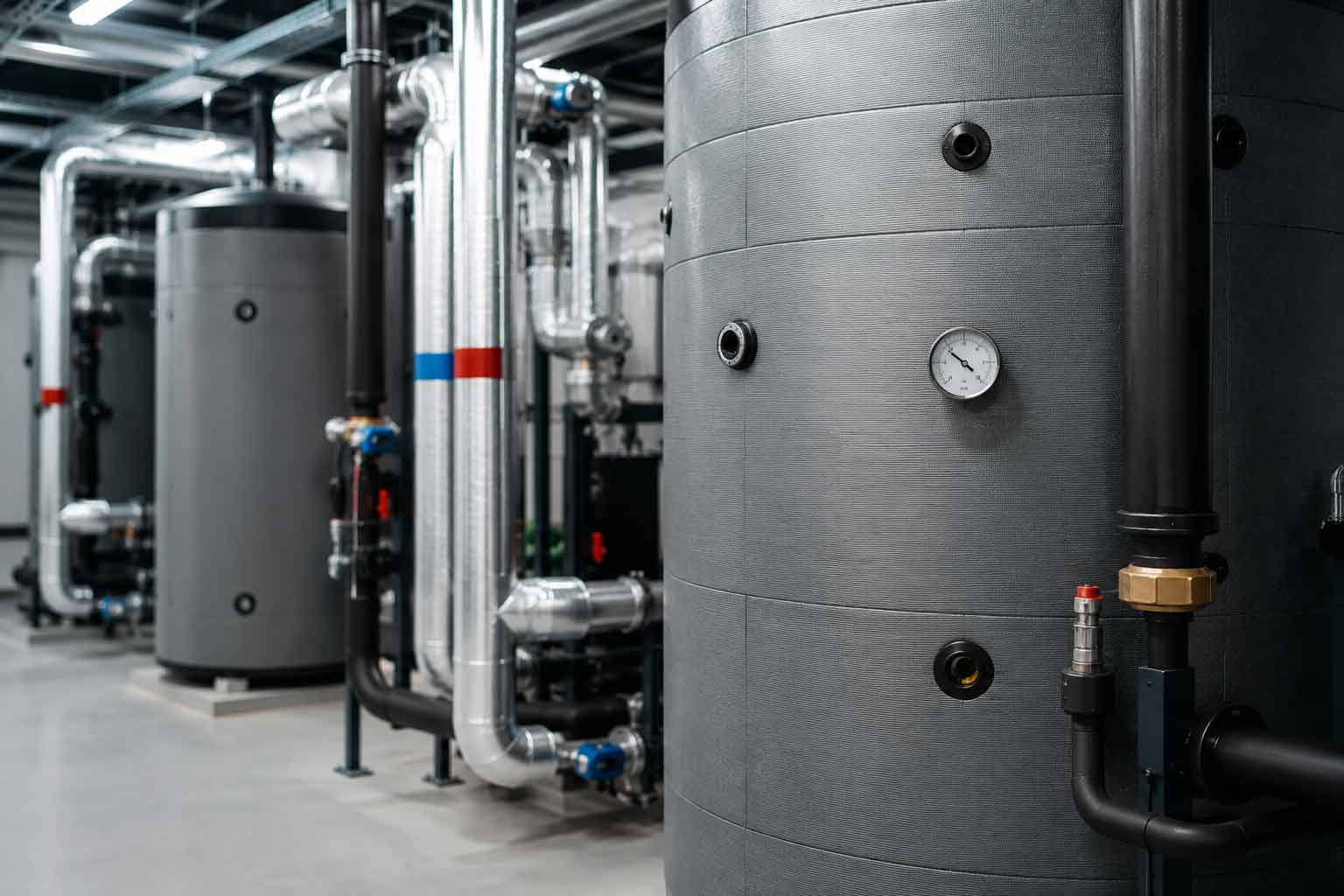
Thermal Storage in Heating and Cooling Systems
Thermal storage can improve HVAC efficiency, reduce cycling and stabilise system operation. Learn how thermal storage works in heating and cooling applications and why correct sizing is critical.
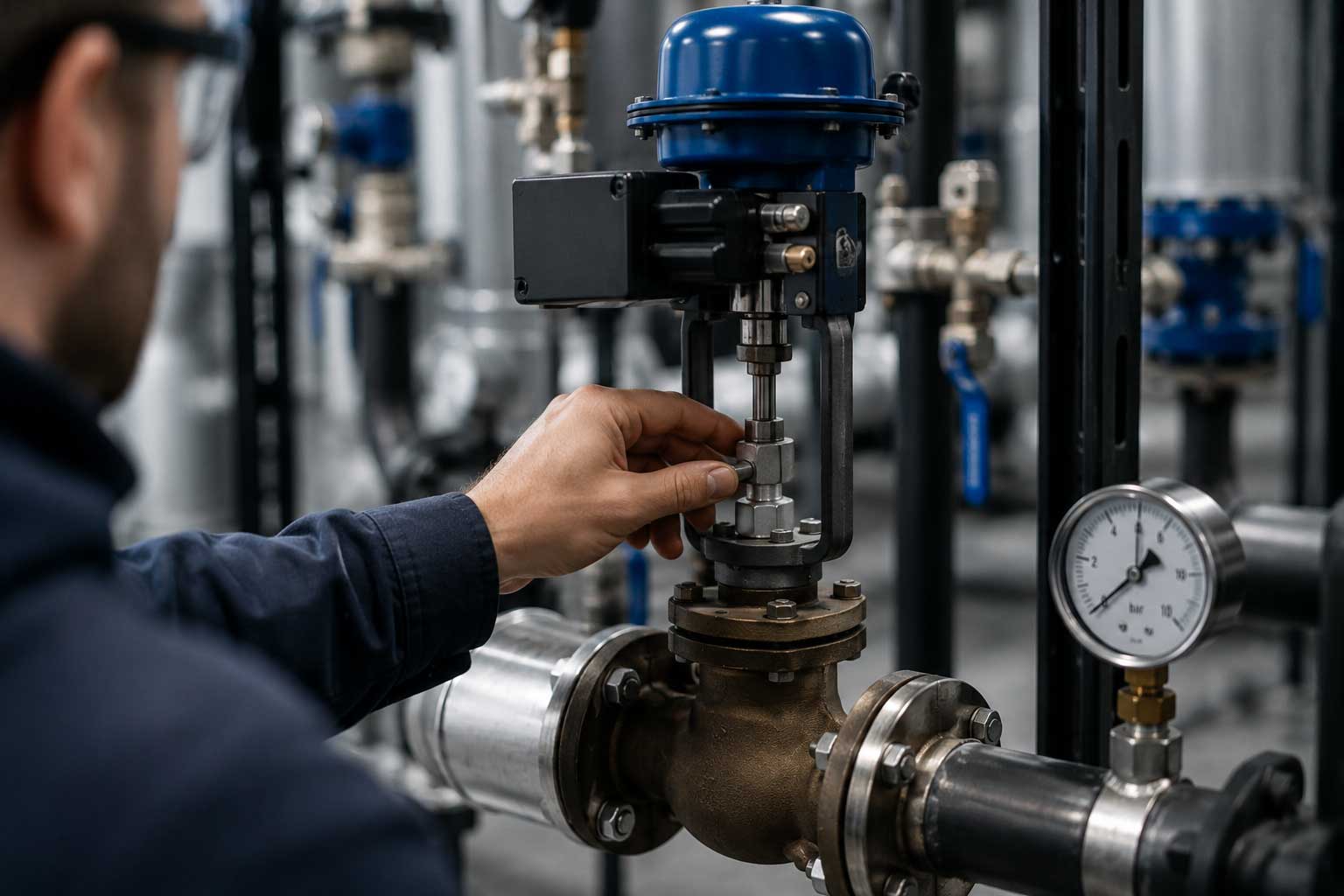
How Control Valve Authority Affects HVAC Efficiency
Control valve authority has a major impact on HVAC stability, comfort and energy efficiency. Learn why valve authority matters and how it influences flow control throughout hydronic systems.
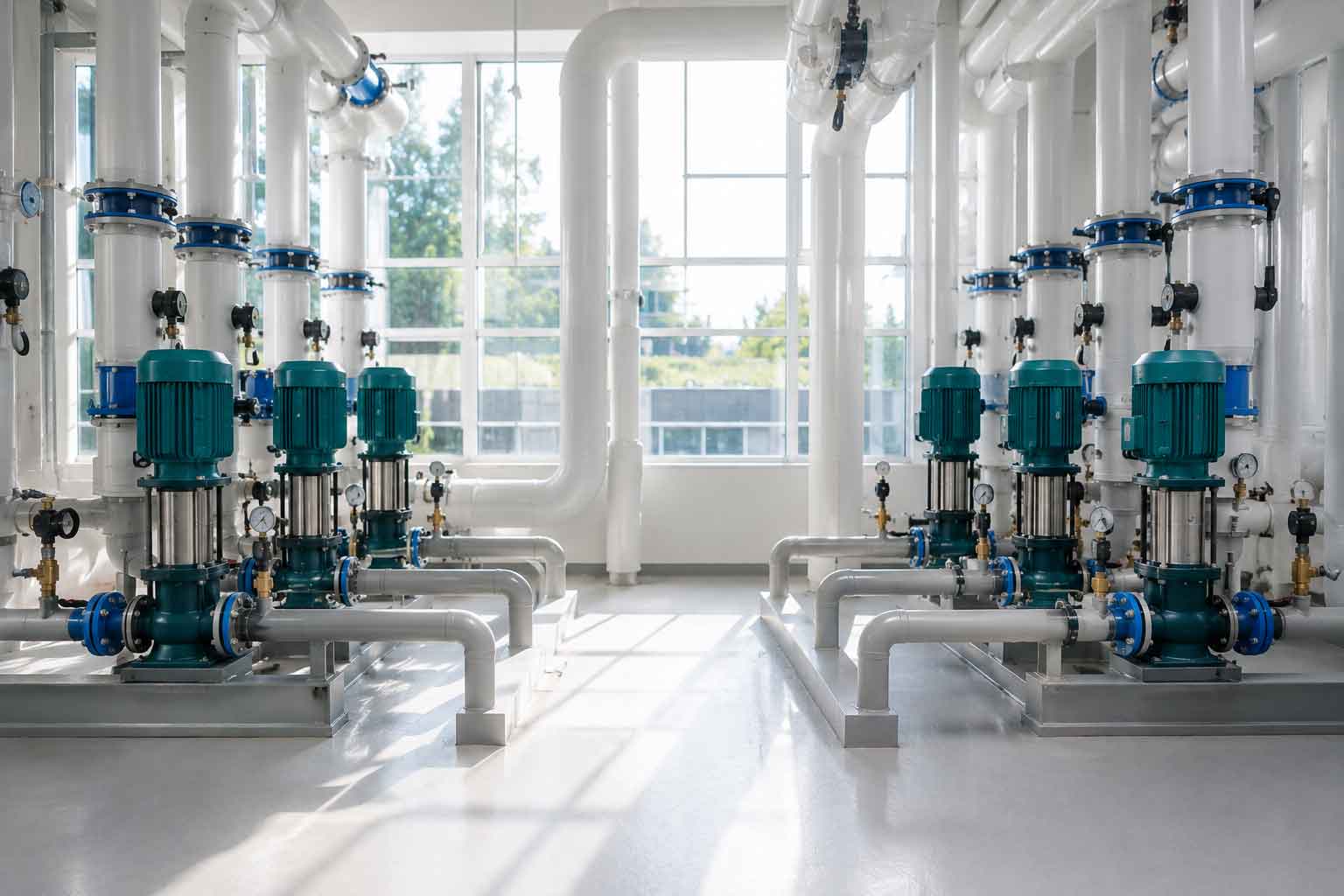
Primary vs Secondary Pumping Systems Explained
Primary and secondary pumping arrangements are widely used in hydronic HVAC systems. Learn how they work, when to use them and how they affect hydraulic stability and energy performance.
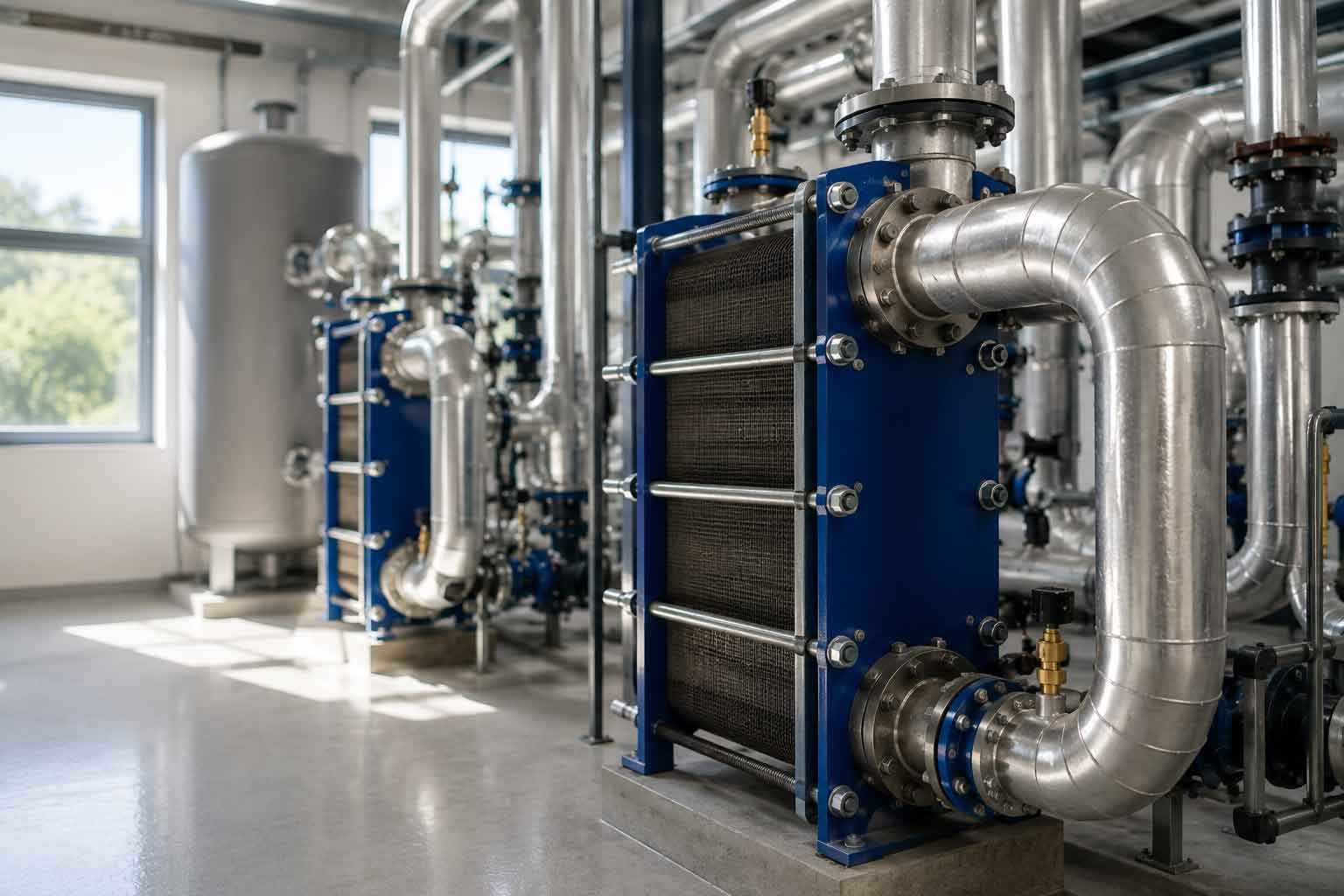
Understanding HVAC Heat Exchangers and System Performance
Heat exchangers play a critical role in hydronic HVAC systems. Learn how heat exchanger design influences efficiency, pressure losses, ΔT and overall system performance.
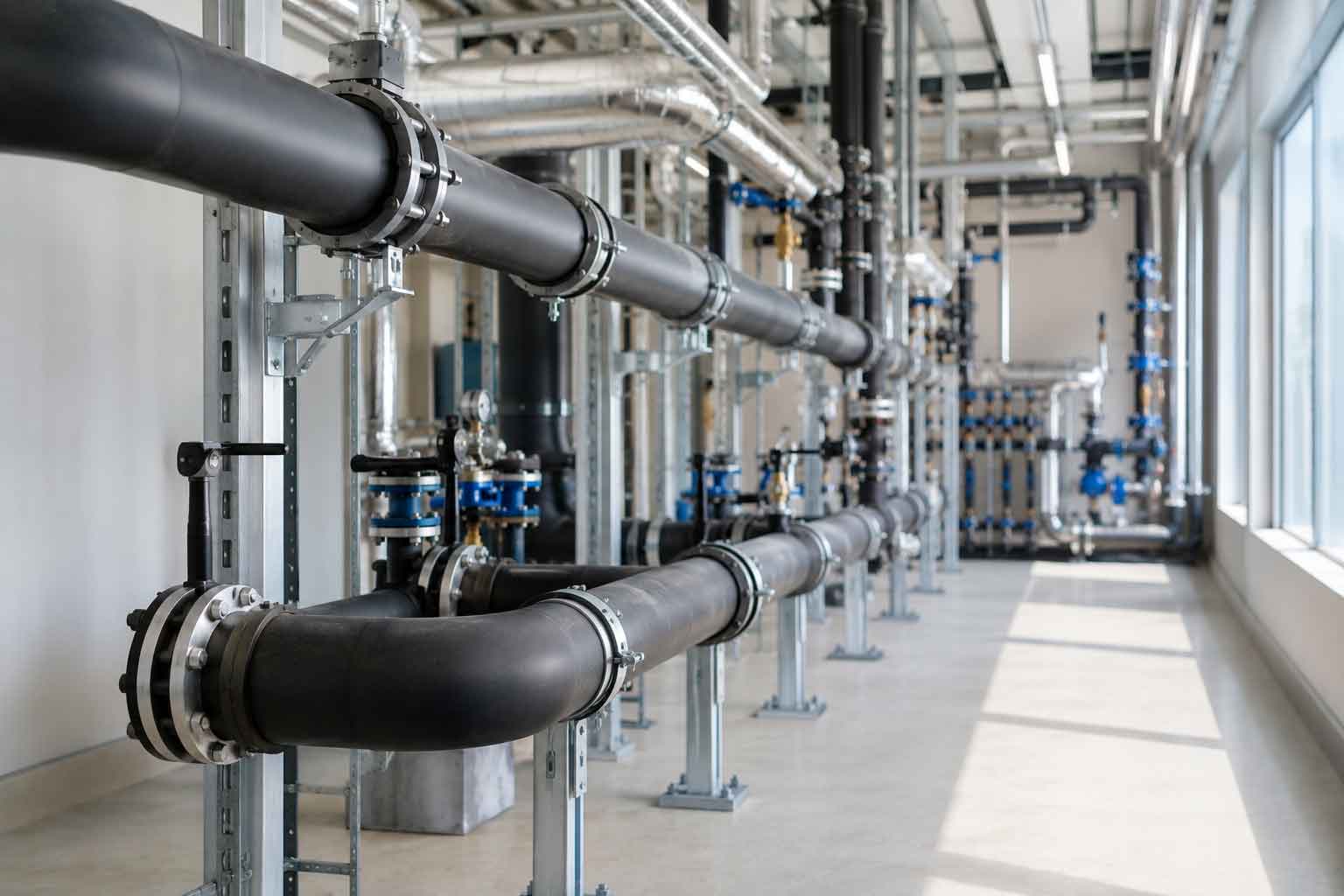
How to Size Pipes in Hydronic HVAC Systems
Proper pipe sizing is essential for efficient hydronic HVAC systems. Learn how pipe diameter influences pressure drop, flow distribution, pump energy and overall system performance.
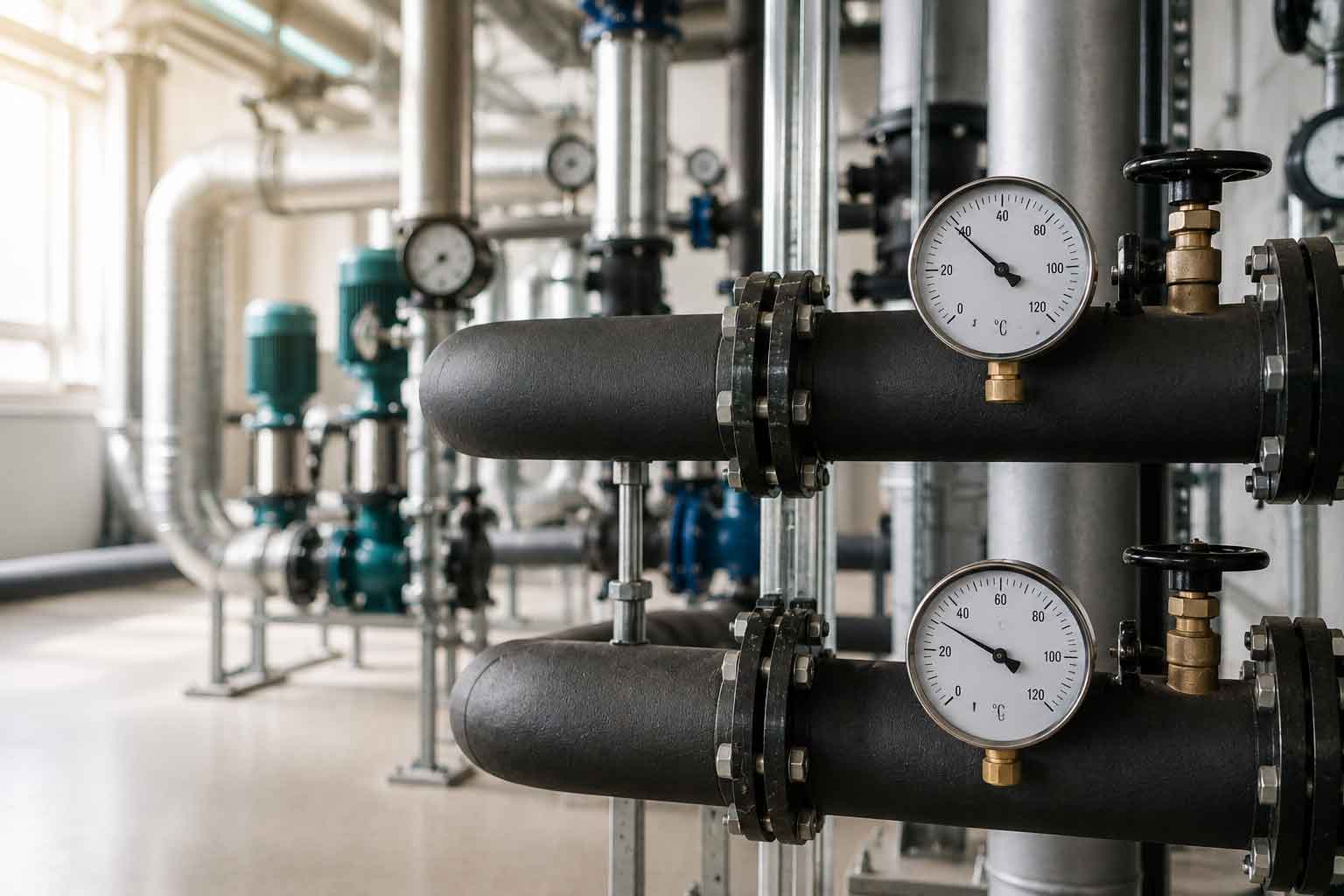
Why Low Delta T Reduces HVAC Efficiency
Low Delta T is one of the most common causes of poor HVAC performance. Learn why low ΔT occurs, how it affects pumps and heat exchangers, and what engineers can do to prevent it.
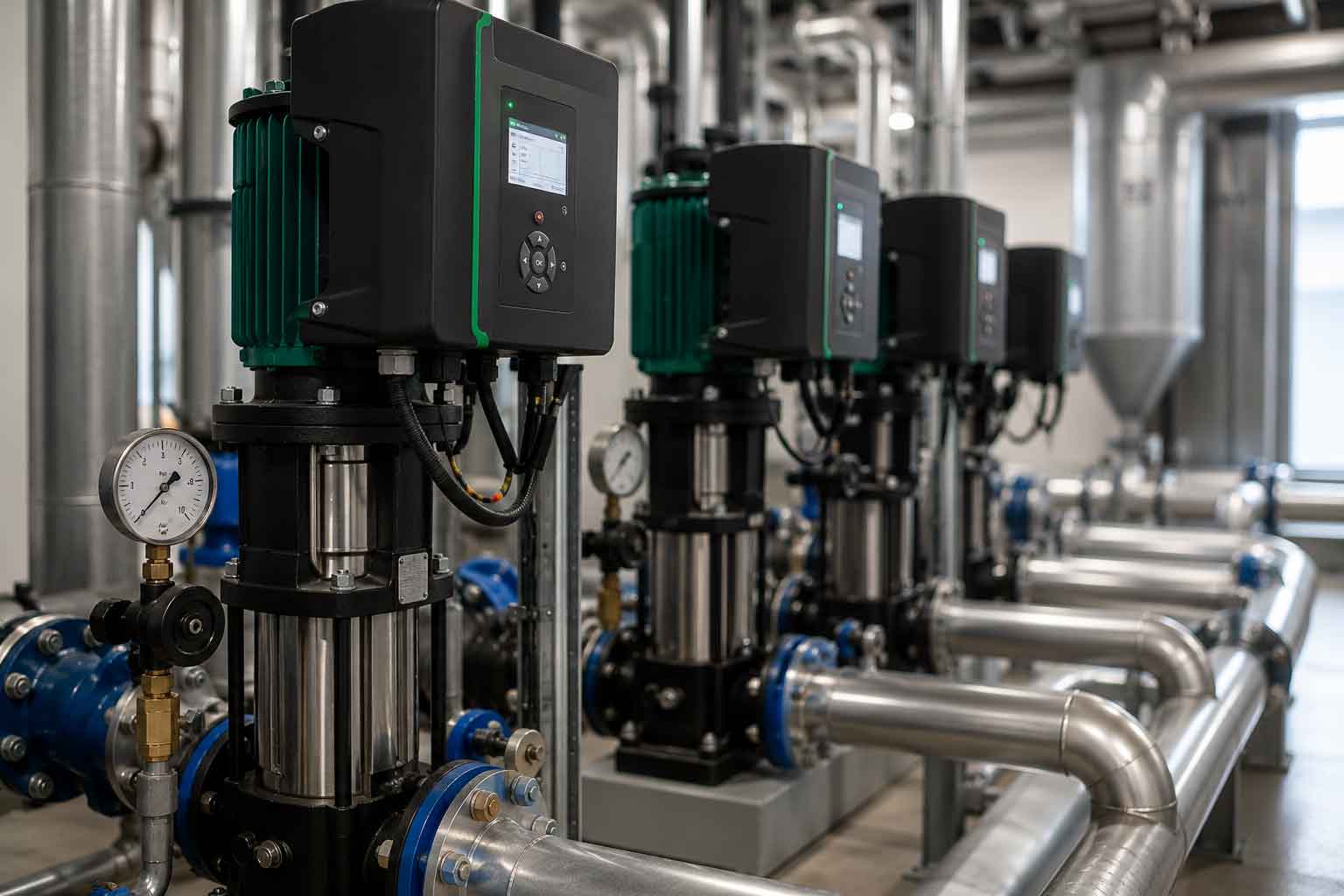
HVAC Pump Control Strategies Explained
Pump control has a major impact on HVAC efficiency, comfort and hydraulic stability. Learn how different pump control strategies influence system performance and energy consumption.
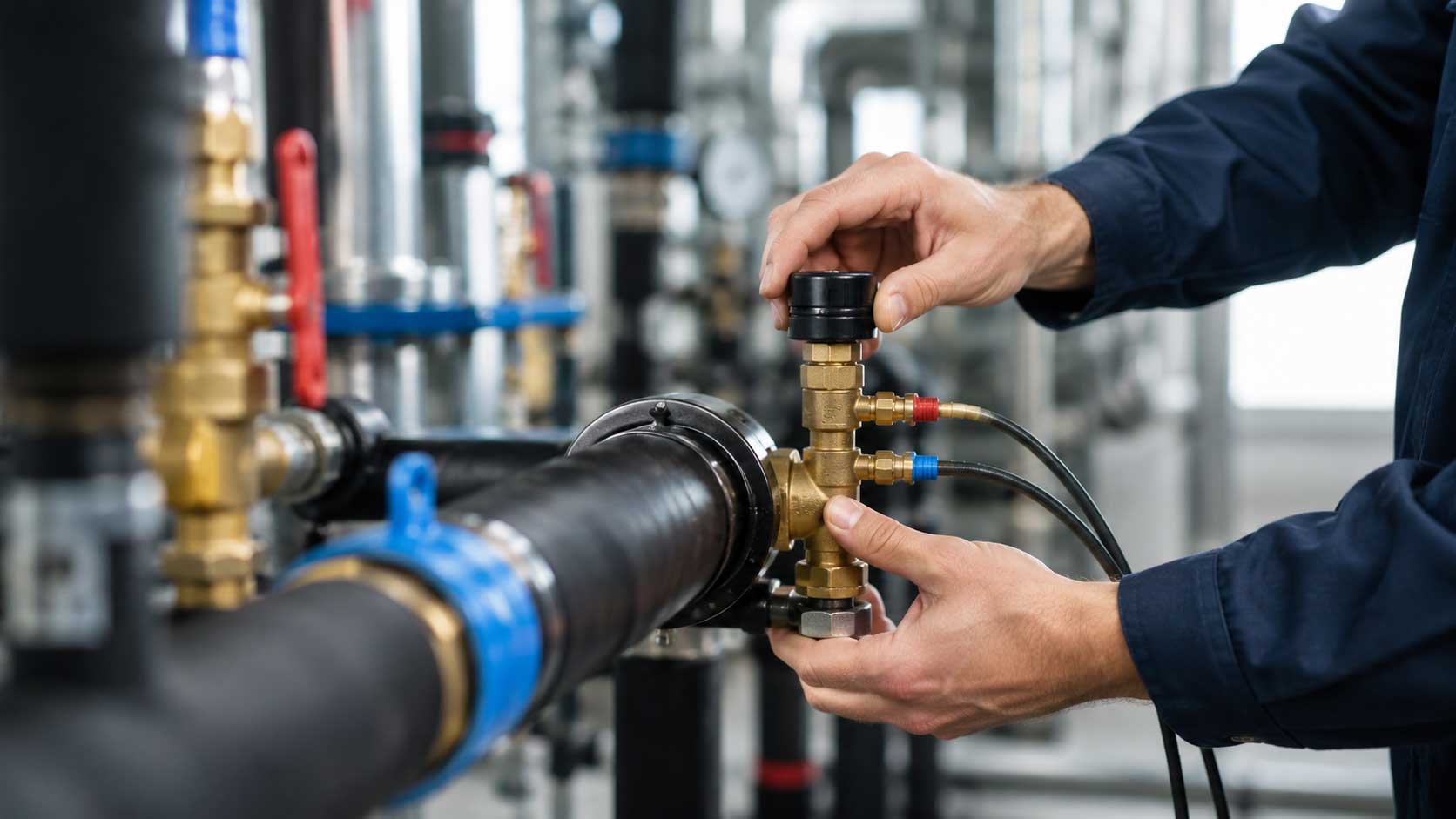
Hydronic Balancing Explained for HVAC Engineers
Hydronic balancing is essential for achieving stable flow distribution, maintaining design temperatures and reducing energy consumption. Learn why balancing matters and how it impacts HVAC system performance.
How to design an efficient changeover HVAC system
Learn how to design efficient changeover HVAC systems through dynamic simulation, hydraulic analysis, and operational validation. Explore control strategy, part-load behaviour, end-unit selection, and seasonal HVAC performance.

Why changeover HVAC systems fail in real buildings
Discover why many changeover HVAC systems underperform in real buildings. Learn how hydraulic instability, seasonal transitions, simultaneous heating and cooling demand, and part-load behaviour create operational problems that static calculations often miss.

10 causes of uncertainty in hydronic HVAC design
Discover the most common causes of uncertainty in hydronic HVAC system design — and how simulation, validation, and connected engineering workflows improve confidence in system sizing and operational performance.

11 handoffs that create drift between BIM and HVAC calculation models
Discover the most common project handoffs where HVAC calculation models and BIM environments drift apart — and how to prevent workflow inconsistencies through structured validation and coordination.

Synchronising HVAC calculation models and BIM in 2026
Learn why HVAC calculation models and BIM environments drift apart — and how version control, change management, and RACI-based coordination create reliable synchronisation from design through commissioning.

How to prevent BIM drift between HVAC and calculation models
Learn how version control and structured change management prevent HVAC calculation models and BIM environments from drifting apart during design coordination.

8 types of HVAC calculation data lost during BIM exchange
Discover the most common types of HVAC calculation data lost between BIM models and engineering software — and how to prevent workflow misalignment during simulation and design coordination.

HVAC feasibility software for CAPEX and OPEX analysis
Learn how to evaluate HVAC feasibility software that models CAPEX, OPEX, and total cost of ownership simultaneously using dynamic operational scenarios and design alternatives.

Model uncertainty in dynamic HVAC simulations in 2026
Learn why dynamic HVAC system behaviour is difficult to predict and how engineering teams can reduce model uncertainty using sensitivity analysis, calibration workflows, and seasonal performance validation.

Quantify risk and cost of fragmented HVAC tools
Learn how fragmented HVAC engineering workflows increase project risk, coordination effort, and operational cost — and how integrated HVAC optimisation platforms improve consistency and reduce lifecycle risk.
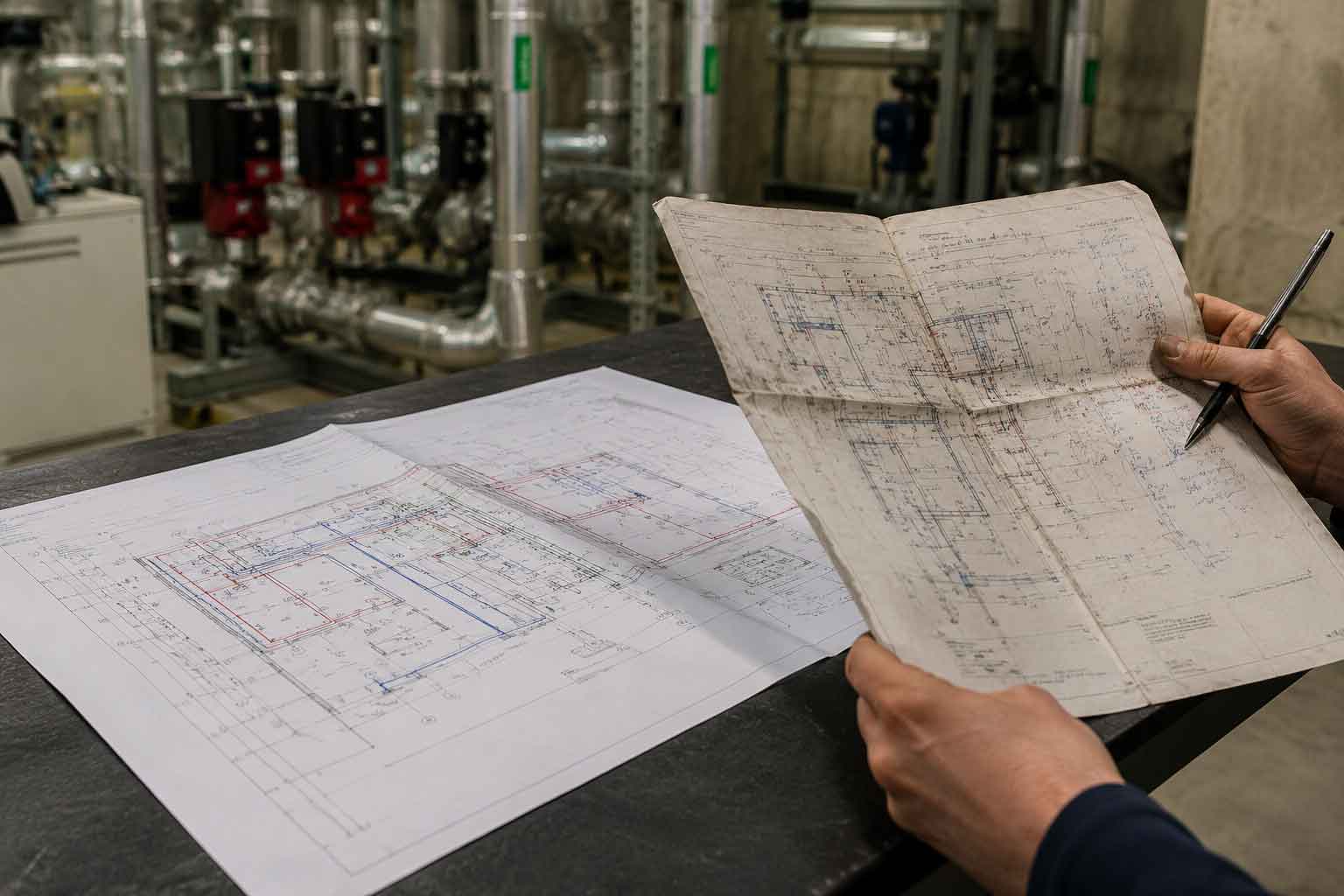
Hydronic as-built vs design discrepancies in 2026
Learn how HVAC engineering teams can trace and resolve hydronic design-to-as-built discrepancies using physics-based simulation and connected validation workflows.
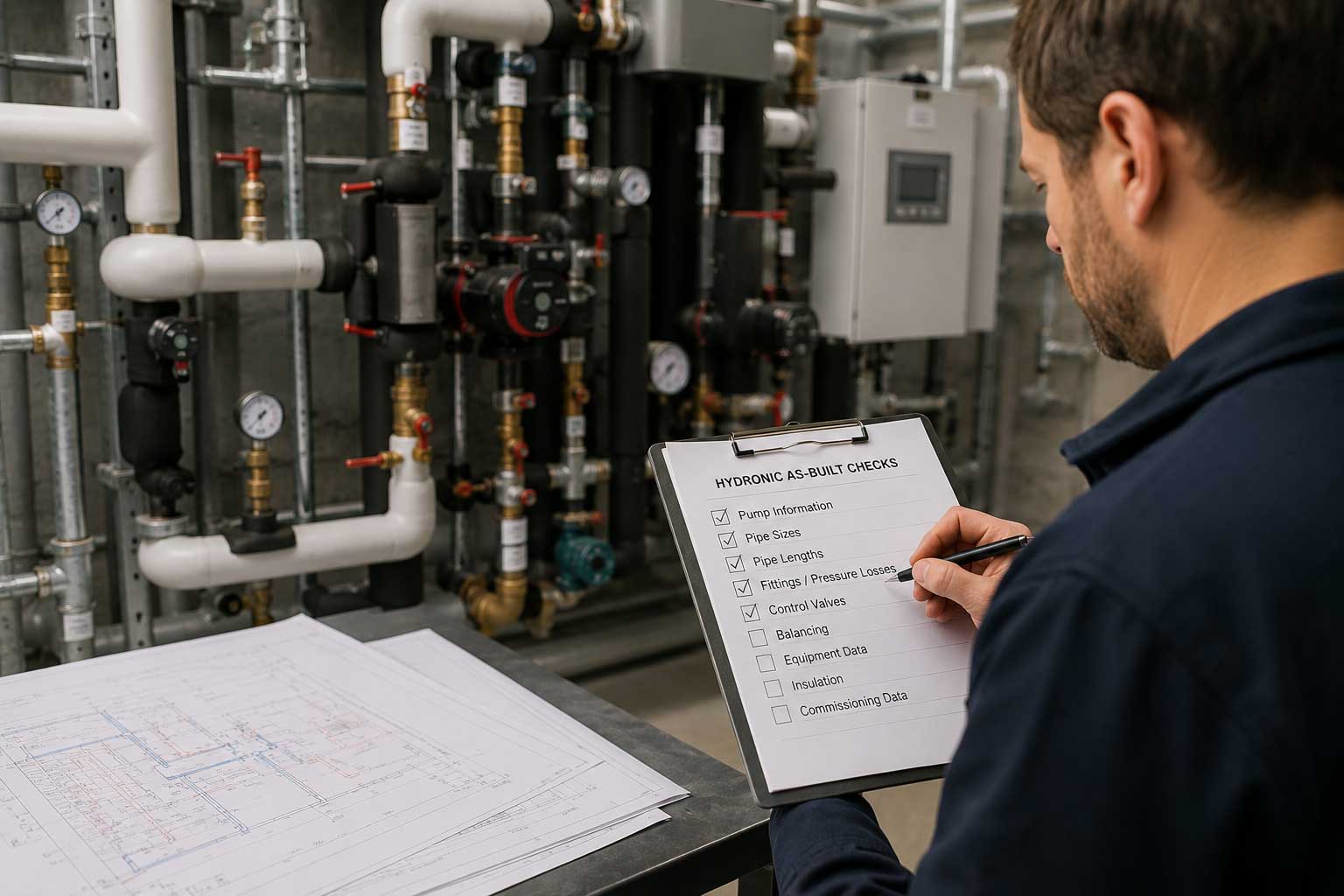
9 as-built checks for hydronic HVAC calculation gaps
Discover 9 practical as-built validation checks that help HVAC engineering teams identify hydronic calculation discrepancies and maintain consistency between design models and installed systems.
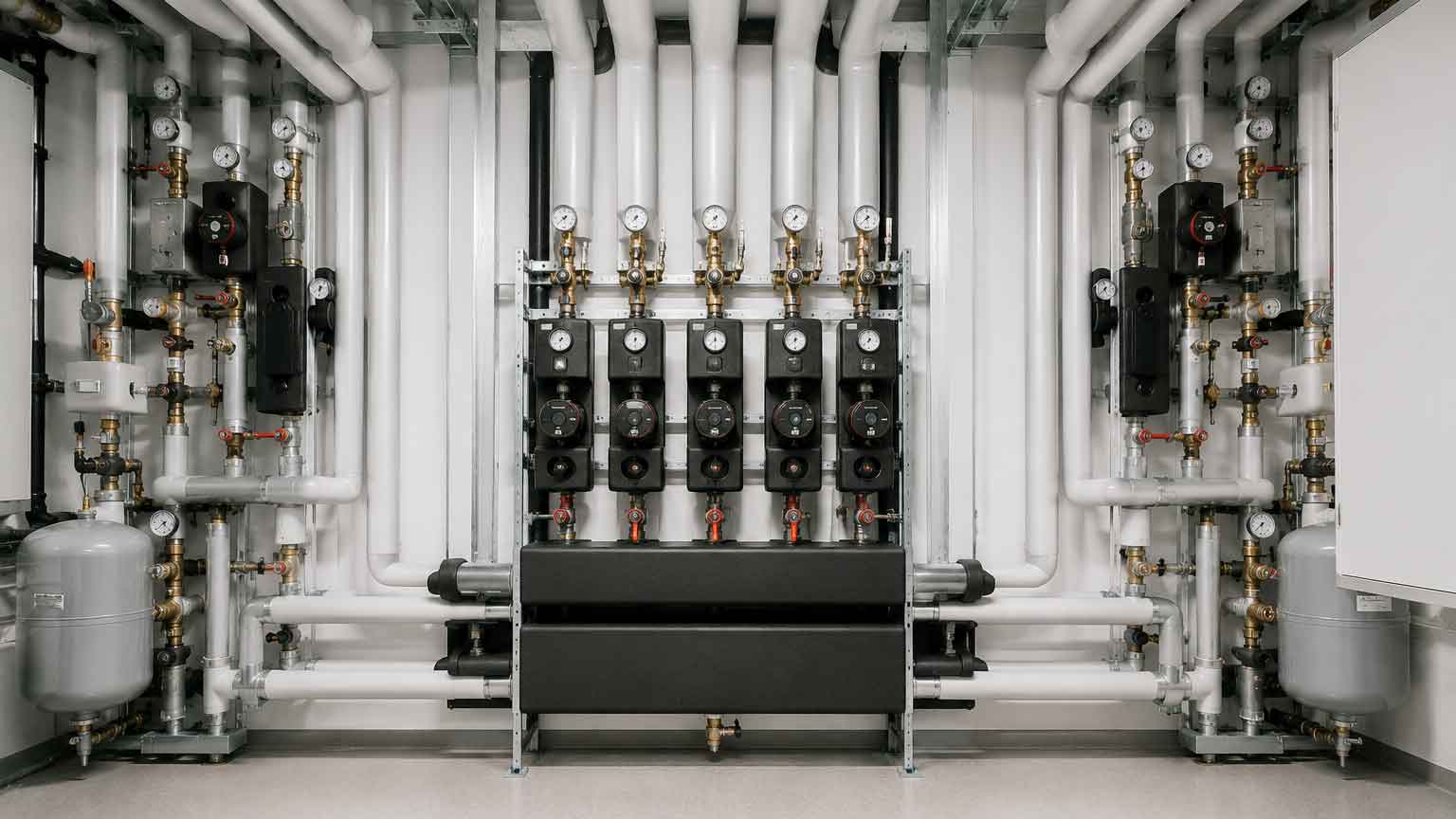
HVAC hydraulic single source of truth setup in 2026
Learn how HVAC engineering teams can prevent BIM coordination drift by establishing a single source of truth for hydraulic data across design, BIM, and commissioning workflows.
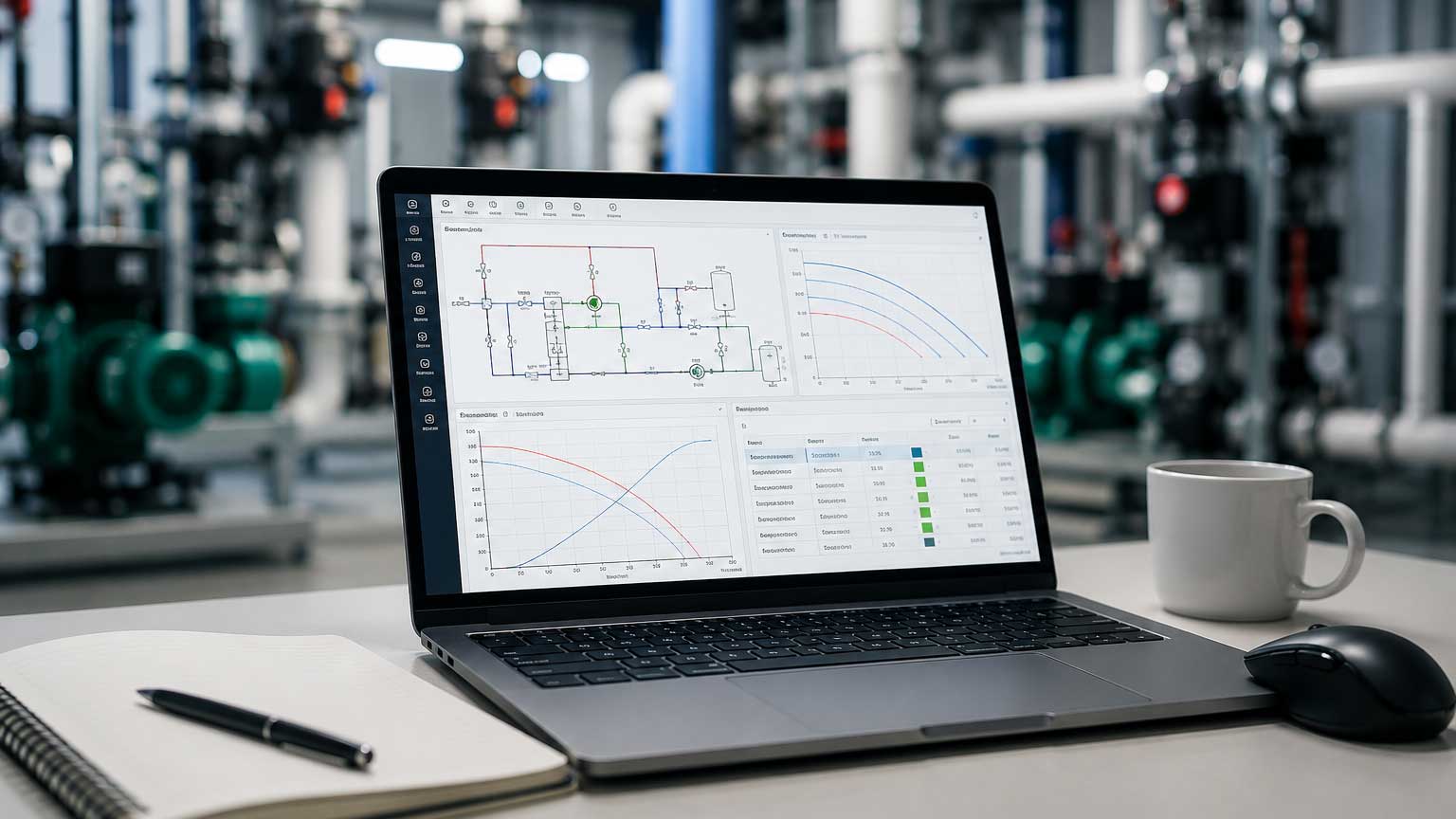
10 criteria for choosing HVAC simulation software based on system performance
Discover 10 essential criteria for selecting HVAC simulation software that dynamically validates system performance, improves workflow integration, and reduces engineering fragmentation.
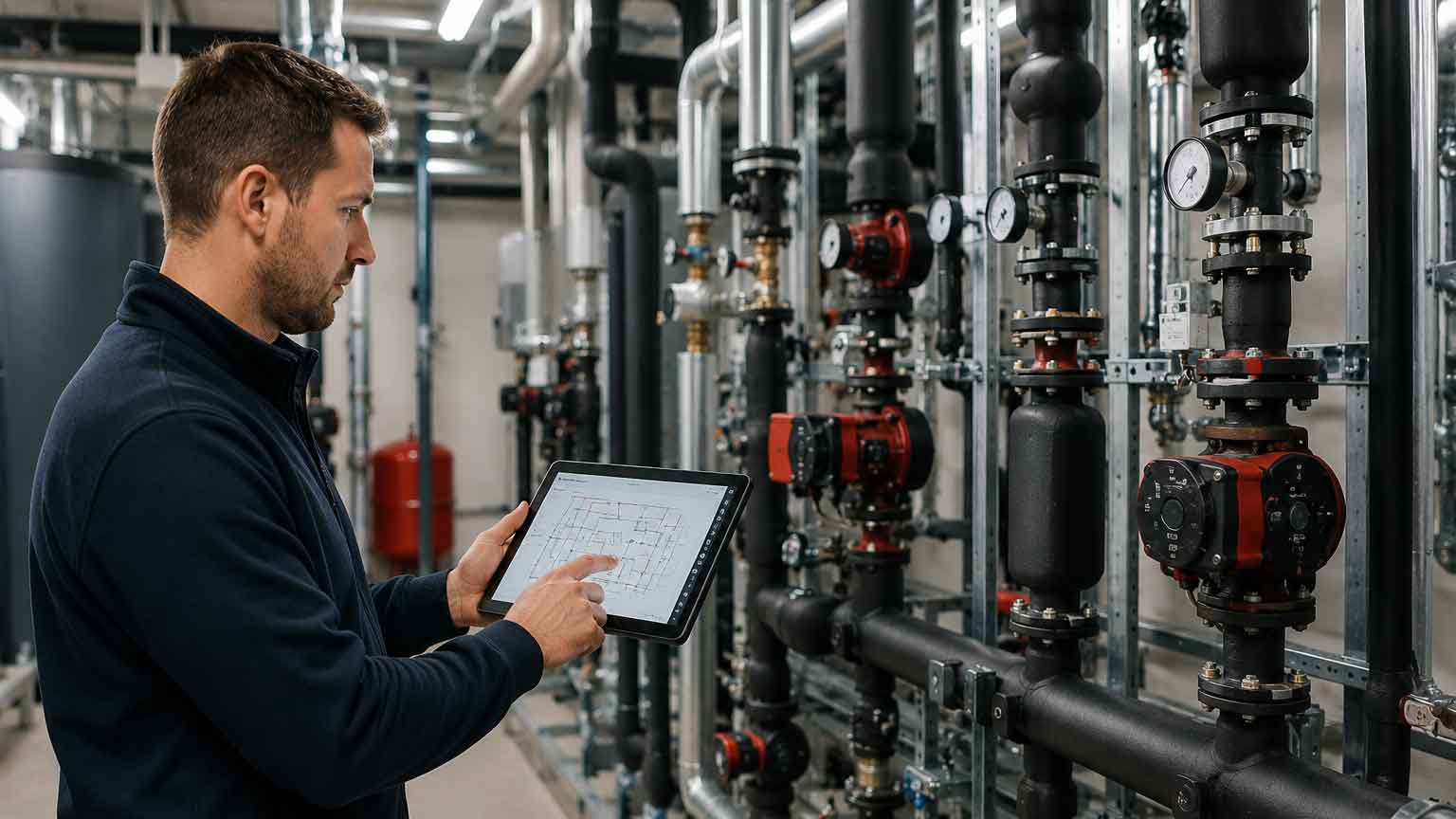
Best HVAC simulation software for consulting engineers
Compare the best HVAC simulation software platforms for consulting engineers based on control strategy testing, commissioning validation, and dynamic building performance modelling.

7 integration checks to prevent hydronic calculation drift
Discover seven practical integration checks that help HVAC engineering and installation teams keep hydronic sizing and load calculations consistent across BIM, selection tools, and commissioning workflows.
DUMAVA 2026: How to ensure your HVAC design actually performs
Learn how to design HVAC systems that truly perform in DUMAVA projects. Avoid oversizing, validate energy savings, and strengthen your subsidy application.
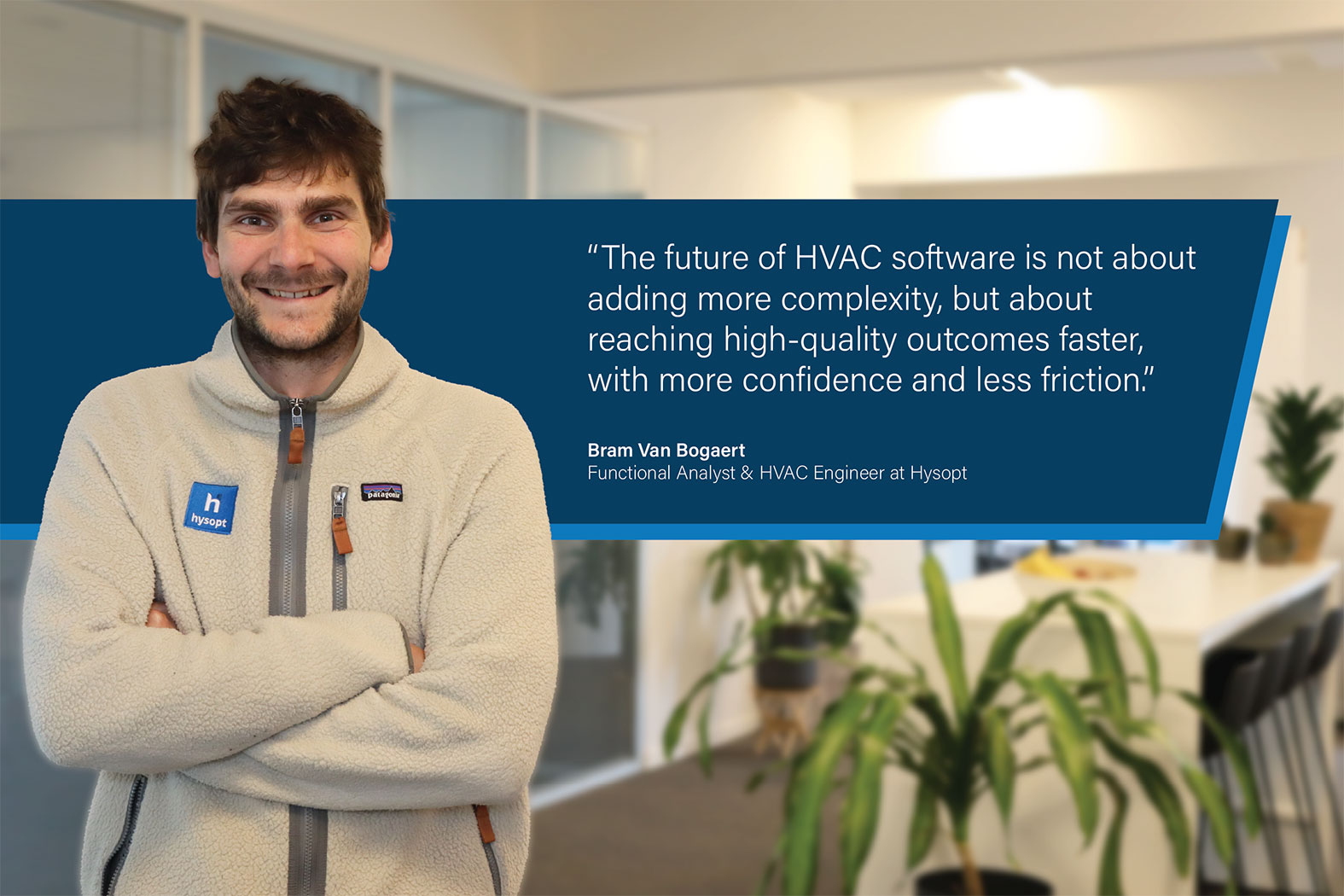
Complexity is no longer a competitive advantage
Hysopt’s latest workflow simplification initiative reduces friction in HVAC engineering through smarter simulation workflows, automated validation and faster engineering insight.

Top HVAC simulation features for complex projects 2026
Discover the most important HVAC simulation software features for complex projects in 2026, including control strategy testing, commissioning readiness, and dynamic design validation.

12 workflow breakdowns that cause HVAC-BIM model drift
Discover the most common MEP workflow breakdowns that cause HVAC calculation models to drift from BIM models and learn how to prevent coordination inconsistencies.

How to stop HVAC load models drifting after BIM updates
Learn how to keep HVAC calculation models aligned with BIM updates using change logs, mapping rules, and version control workflows for consistent sizing and simulation results.


.png)
.png)