
Blog
Validated by ISSO
The Hysopt software has been validated by ISSO. The report literally praises our software as a "powerful tool for optimizing HVAC systems".

Latest blogs

How Redundant Cooling Changes Data Center Water Sizing
Discover how redundant cooling changes data center water sizing and how dynamic simulation helps validate flow, pressure, pumps, valves and failover conditions.

How Rack Density Complicates Hydronic Data Center Cooling
Discover how higher rack density complicates hydronic data center cooling and how dynamic simulation helps validate flow, pressure, controls, redundancy and liquid cooling.
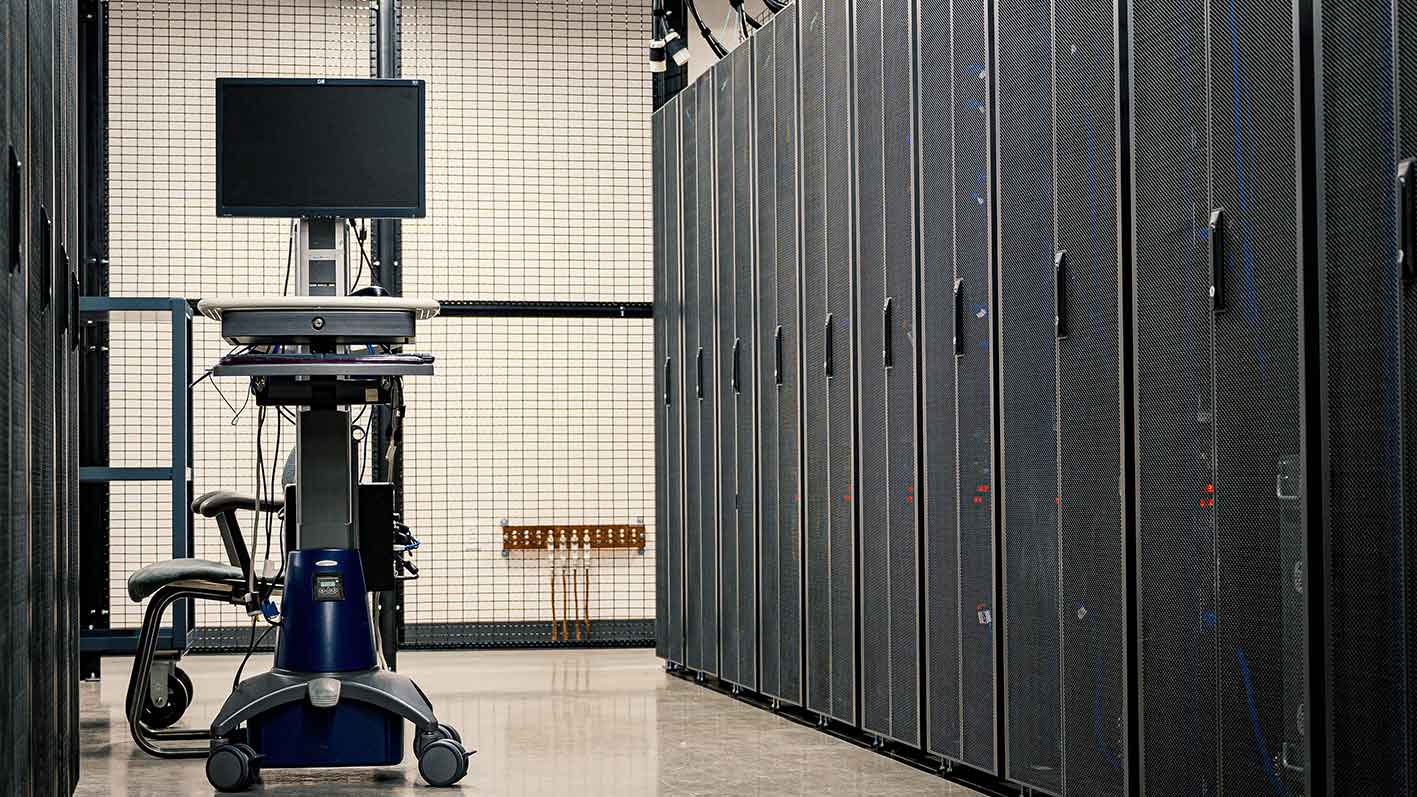
High-Density Data Center Hydronic Cooling Guide
Discover how high-density data centers impact hydronic cooling design, from higher flow demands and liquid cooling to controls, redundancy and thermal risk.
Industry insights. Delivered monthly.
Receive the latest information and resources from Hysopt directly in your inbox. Subscribe now to our monthly newsletter.
Thank you! Your submission has been received!
Oops! Something went wrong while submitting the form.
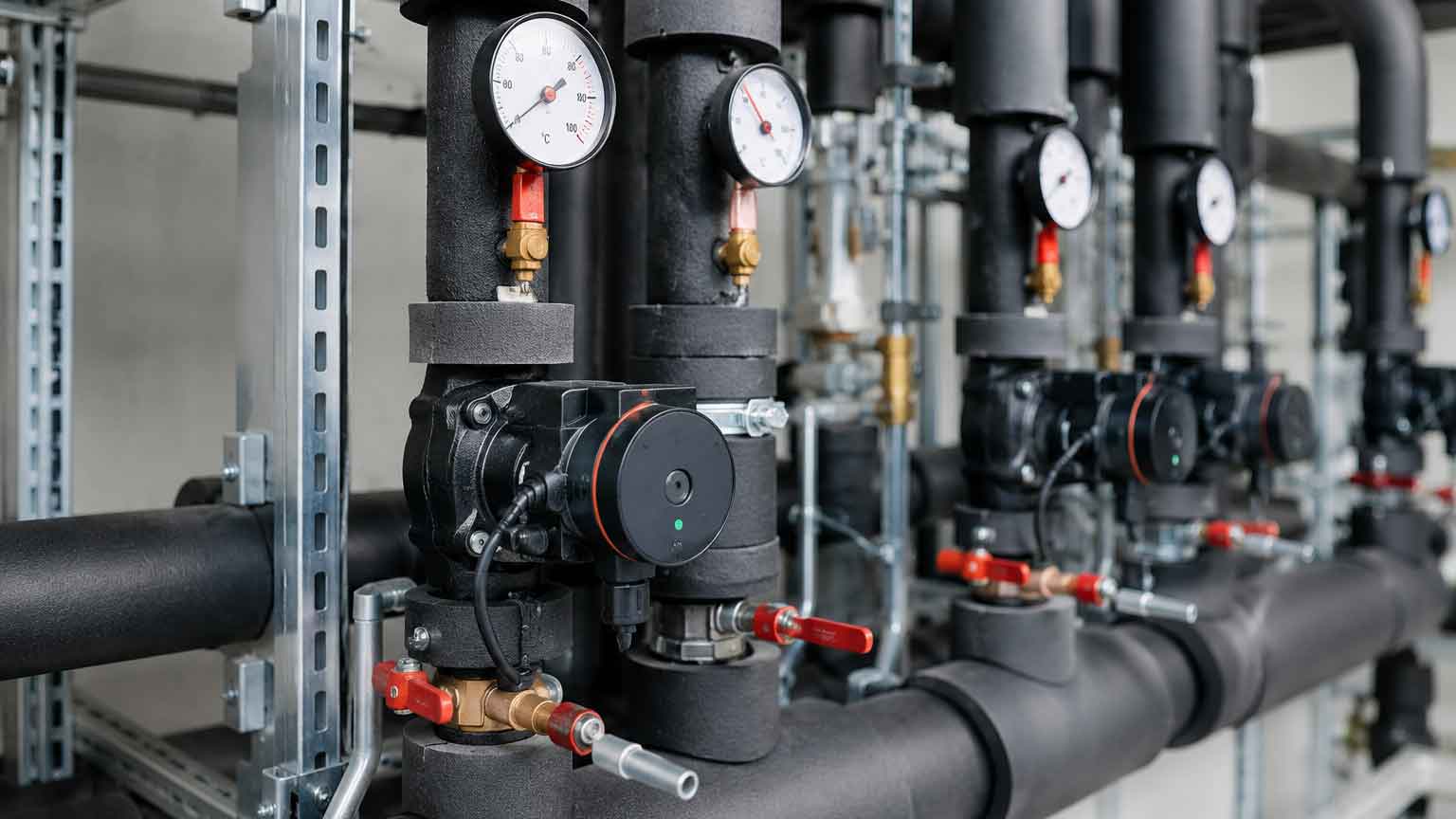
Hydronic HVAC design iterations that stay consistent
Learn how to maintain consistent hydronic HVAC sizing and calculations across design revisions and seasonal operation using physics-based simulation workflows.
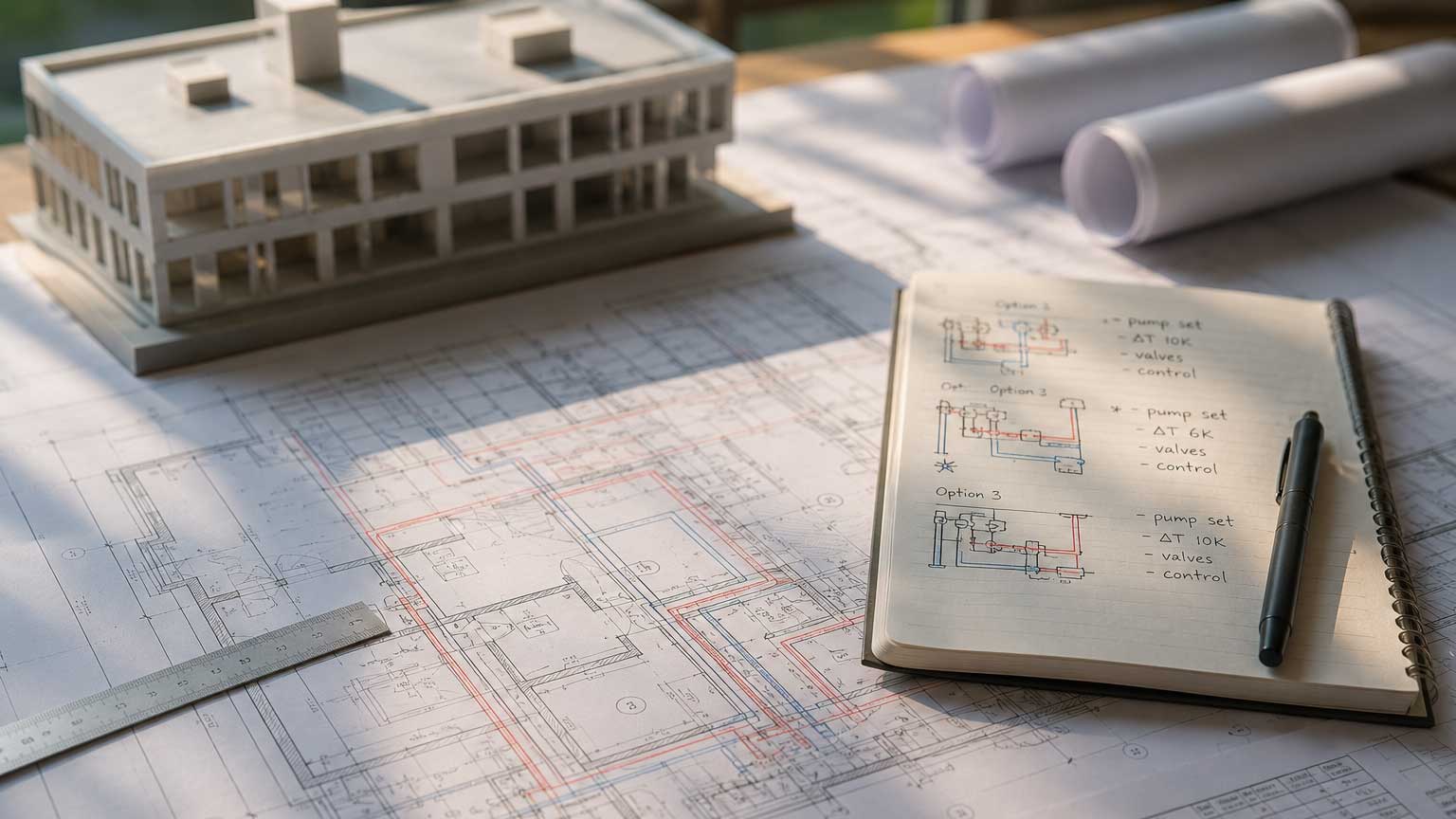
8 causes of hydronic HVAC calculation drift when designs change
Discover the most common causes of calculation drift in hydronic HVAC design tools and learn how dynamic simulation keeps results aligned throughout design changes and seasonal operation.
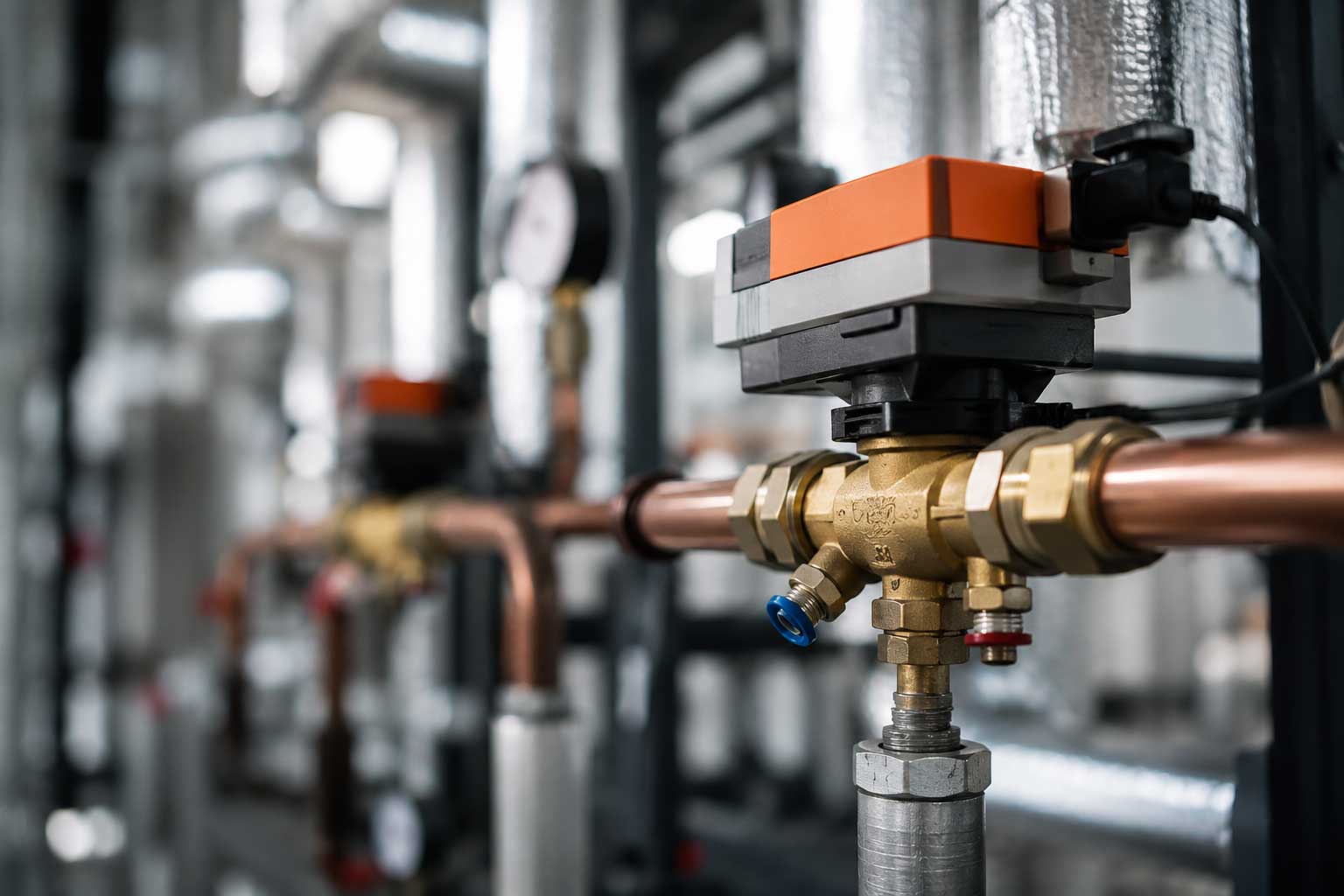
Model HVAC controls and load variability for part-load
Learn how dynamic HVAC system performance simulation models control logic, load variability, and seasonal hydronic behaviour more accurately than steady-state approaches.

Why part-load HVAC performance is hard to predict
Learn why part-load HVAC performance is difficult to predict and how dynamic simulation tools like Hysopt Designer and Hysopt Simulator model seasonal hydronic behaviour more accurately than steady-state approaches.

Why Excel fails in hydronic HVAC design
Learn why Excel-based hydronic HVAC workflows often lead to design inconsistencies and how physics-based simulation in Hysopt Designer and Hysopt Simulator helps prevent costly design errors early.

Validating Excel HVAC Calculations with Hysopt Designer
Learn how to validate Excel HVAC calculations using physics-based simulation in Hysopt Designer to detect inconsistencies, reduce design errors, and improve hydronic system performance.
Why Excel Fails in Hydronic HVAC Design
Discover why Excel-based hydronic HVAC design workflows lead to inconsistent data, limited validation, and higher design risk — and how integrated simulation improves engineering accuracy.
10 Deliverables to Stop HVAC BIM Drift in 2026
Discover the 10 essential deliverables that help HVAC engineering and BIM teams reduce coordination drift, preserve hydraulic design intent, and improve workflow alignment in 2026.
Preserve Hydraulic Design Intent Across HVAC BIM Handoffs
Learn how HVAC engineering teams and BIM modellers can preserve hydraulic design intent through standardised BIM handoffs, version control, and integrated coordination workflows.
9 Features Hydronic HVAC Software Needs for Installers
Discover the 9 essential features hydronic HVAC design software needs to improve sizing accuracy, workflow integration, commissioning readiness, and project reliability.
Fragmented vs integrated HVAC tools in hydronic projects
Compare fragmented vs integrated HVAC tools and discover how integrated optimisation platforms reduce project risk, oversizing, and lifecycle costs in hydronic systems.
Digital Regulation And Its Growing Role In HVAC Efficiency
Digital regulation is reshaping HVAC design by requiring verifiable performance data, linking simulation outputs directly to compliance and funding decisions.
Turning Simulation Outputs Into Better Investment Decisions
Simulation outputs provide measurable KPIs such as energy savings, carbon reduction and ROI, helping stakeholders make informed and lower-risk investment decisions.
Low-Temperature Heating And Cooling As The Future Standard
Low-temperature HVAC systems are becoming the new standard, driven by electrification, efficiency gains and stricter carbon regulations.
Electrification And Its Impact On HVAC System Design
Electrification is transforming HVAC systems by replacing fossil fuels with heat pumps, requiring new approaches to system design, temperatures and grid interaction.
Documenting Embodied And Operational Carbon In Building Projects
Understanding the difference between embodied and operational carbon is essential for accurate carbon reporting and informed HVAC design decisions.
Why Delta T Is a Key Indicator of Hydronic System Performance
Delta T in hydronic systems reveals how effectively energy is transferred, directly influencing efficiency, pumping energy and overall HVAC performance.

HVAC AI in Practice: How Hysopt DeltaT Keeps Engineers in Their Flow
Discover DeltaT, Hysopt’s in-product AI assistant for HVAC software. Get instant, contextual answers while modelling and move faster inside Hysopt’s HVAC software.

Hysopt Appoints New CTO to Support Next Phase of Growth
After eight years of impact, Kristof Smits passes the CTO role to Joa Oris as Hysopt accelerates its international growth and innovation in HVAC system design.
What Determines a NABERS UK Rating for Office Buildings
NABERS UK ratings reflect measured operational energy use in office buildings, making accurate design, modelling and ongoing performance management essential.
Understanding How BREEAM Ene 01 Awards Energy Credits
BREEAM UK NC Ene 01 credits are based on predicted energy performance, requiring accurate modelling and demonstrable efficiency gains in the BRUKL or SBEM assessment.
Modelling Heat Pumps Accurately for SAP 11 Compliance
SAP 11 introduces new modelling rules for heat pumps in UK residential buildings, requiring realistic seasonal efficiency data and temperature assumptions to demonstrate compliance.
Renovation Milestones Shaping Public Buildings Under the Green Deal
The EU Green Deal sets clear renovation milestones for public buildings, requiring continuous upgrades and strict energy-performance improvements by 2030.
How Fit-for-55 Influences Modern HVAC Retrofit Strategies
The EU’s Fit-for-55 package is reshaping the way buildings are upgraded, driving a shift toward low-carbon heating, higher efficiency and stricter performance standards for HVAC retrofits.
How Seasonal Metrics Help Compare Heating and Cooling Systems
SCOP and SEER offer a clearer picture of year-round HVAC performance, helping engineers and building owners compare systems more reliably.
Using HVAC Simulation Data to Strengthen ESOS Phase 3 Compliance
Physics-based HVAC modelling provides verifiable energy and carbon data that support ESOS Phase 3 submissions with clear, auditable evidence.
The KPIs That Show Whether an HVAC Upgrade Truly Worked
Strong HVAC decisions depend on measurable indicators that clearly show improvements in efficiency, comfort and system behaviour.
How Simulation Data Supports Audits, Funding Applications and Certifications
Learn how physics-based HVAC modelling provides credible, investment-grade evidence for audits, EU funding applications and building certifications such as BREEAM and LEED.
Understanding Why Pump Power Increases in Hydronic HVAC Systems
Learn why pump power may be higher than expected in hydronic HVAC systems and how hydraulic modelling helps identify oversizing, imbalance or control issues.
How HVAC Carbon Savings Strengthen ESG and Compliance Strategies
Learn how verified carbon savings from HVAC modelling support ESG reporting, compliance documents and even carbon credit monetisation.
Improving Cooling Loop Efficiency in Modern Data Centres
Learn how data-centre cooling loops are optimised using hydronic modelling, enabling improved energy efficiency, reliability and chiller performance.
Funding Options for HVAC Decarbonisation in the EU and UK
Discover the key grants and funding schemes that support HVAC decarbonisation in the EU and UK, including heat pumps, district heating and energy-efficient retrofits.
Making Low-Temperature Heating Work in Buildings With Existing Radiators
Learn when low-temperature heating works with existing radiators, how to assess heat output, and what upgrades may be needed to deliver comfort at 35–55°C.
How Control-Strategy Simulation Enhances HVAC Performance Before Installation
Learn how HVAC control strategies such as variable-speed pumping, sequencing and weather compensation can be simulated virtually to improve system performance and comfort.
Why Hydronic System Modelling Goes Beyond What Whole-Building Tools Can Offer
Learn why hydronic HVAC modelling provides deeper system-level insight than whole-building simulation tools like EnergyPlus, and when engineers benefit most from each approach.
Why HVAC Standards Matter: A Practical Guide to EN 12831, ASHRAE and ISO 52120
Understand the key HVAC design standards — EN 12831, ASHRAE guidelines and ISO 52120 — and learn how they influence heating load calculations, system performance and regulatory compliance.
Why Hydronic Systems Outperform Air-Based Heating in Modern Buildings
Learn how hydronic heating compares to air-based heating, including comfort, efficiency, system behaviour and suitability for different building types.
Top 7 HVAC Software for 2026
Explore the top HVAC software platforms for 2026, comparing key features, strengths, and use cases to help engineers and building professionals choose the right tools for modern HVAC design and optimisation. Looking for HVAC software that goes beyond load calculations? See how Hysopt helps engineers simulate, validate and optimise hydronic HVAC systems before construction.
Fast HVAC Feasibility Assessment for Portfolios: How Templates Create Consistency Across Dozens of Buildings
Learn how templated, model-driven HVAC feasibility workflows help engineering teams deliver fast, consistent assessments across whole building portfolios.
How to Compare Low-Carbon HVAC Scenarios in Minutes Using a Digital Twin
Discover how MEP consultants can quickly compare low-carbon HVAC scenarios using digital twin modelling, enabling faster, more accurate feasibility studies and confident decision-making.
From Assumptions to Accuracy: Why MEP Consultants Should Switch to Model-Driven HVAC Feasibility Workflows
Learn why model-driven HVAC feasibility workflows give MEP consultants faster, more accurate results by replacing assumptions with physics-based system insights.
The Hidden Performance Issues Only a Physics-Based HVAC Feasibility Study Can Reveal
Discover the critical HVAC performance issues that traditional feasibility methods fail to detect — and how physics-based modelling exposes hidden risks long before renovation or decarbonisation decisions are made.
How HVAC Feasibility Modelling De-Risks Heat Pump Integration in Existing Buildings
Discover how physics-based HVAC feasibility modelling helps MEP consultants de-risk heat pump integration by exposing real system behaviour, capacity limitations, and low-temperature performance issues.
Unlocking Decarbonisation: Why Your Next HVAC Feasibility Study Needs Physics-Based Metrics, Not Guesswork
Discover why physics-based metrics are essential for accurate HVAC feasibility studies and how they improve decarbonisation planning, financial analysis and system performance forecasts.
HVAC Feasibility Modelling: Compare CAPEX, OPEX & CO₂ Using Template-Driven Workflows
Learn how HVAC feasibility modelling helps MEP consultants evaluate CAPEX, OPEX and CO₂ outcomes using fast, template-driven workflows that improve accuracy and decision-making.
How to Run an HVAC Feasibility Study in 2 Hours: A Step-by-Step Guide for MEP Consultants
Discover how MEP consultants can complete an HVAC feasibility study in under two hours using modelling-based methods that deliver accuracy, speed, and confidence.
How DHW Load Profiles Influence Heat Exchanger Sizing
Domestic hot water load profiles strongly influence heat exchanger sizing. Learn how flow patterns, peak demand behaviour and regime-changing components affect power requirements and ΔT stability.
DHW Diversity Explained: A Practical Guide for HVAC Engineers
DHW diversity significantly reduces peak design flows in multi-dwelling buildings. This guide explains how tapflows, aggregation and diversity factors improve hot water system design.
Optimising District Heating Connections for Hydronic Stability
District heating systems place unique demands on hydronic networks. Learn how connection design, temperature management and end-unit performance create stable, efficient installations.
Designing Reliable Heat Interface Unit (HIU) Systems
HIU systems must deliver domestic hot water (DHW) and heating reliably across varying load conditions. This article explains how flow, diversity and heat exchange behaviour shape HIU performance.


.png)
.png)