
Blog
Validated by ISSO
The Hysopt software has been validated by ISSO. The report literally praises our software as a "powerful tool for optimizing HVAC systems".

Latest blogs

How Redundant Cooling Changes Data Center Water Sizing
Discover how redundant cooling changes data center water sizing and how dynamic simulation helps validate flow, pressure, pumps, valves and failover conditions.

How Rack Density Complicates Hydronic Data Center Cooling
Discover how higher rack density complicates hydronic data center cooling and how dynamic simulation helps validate flow, pressure, controls, redundancy and liquid cooling.
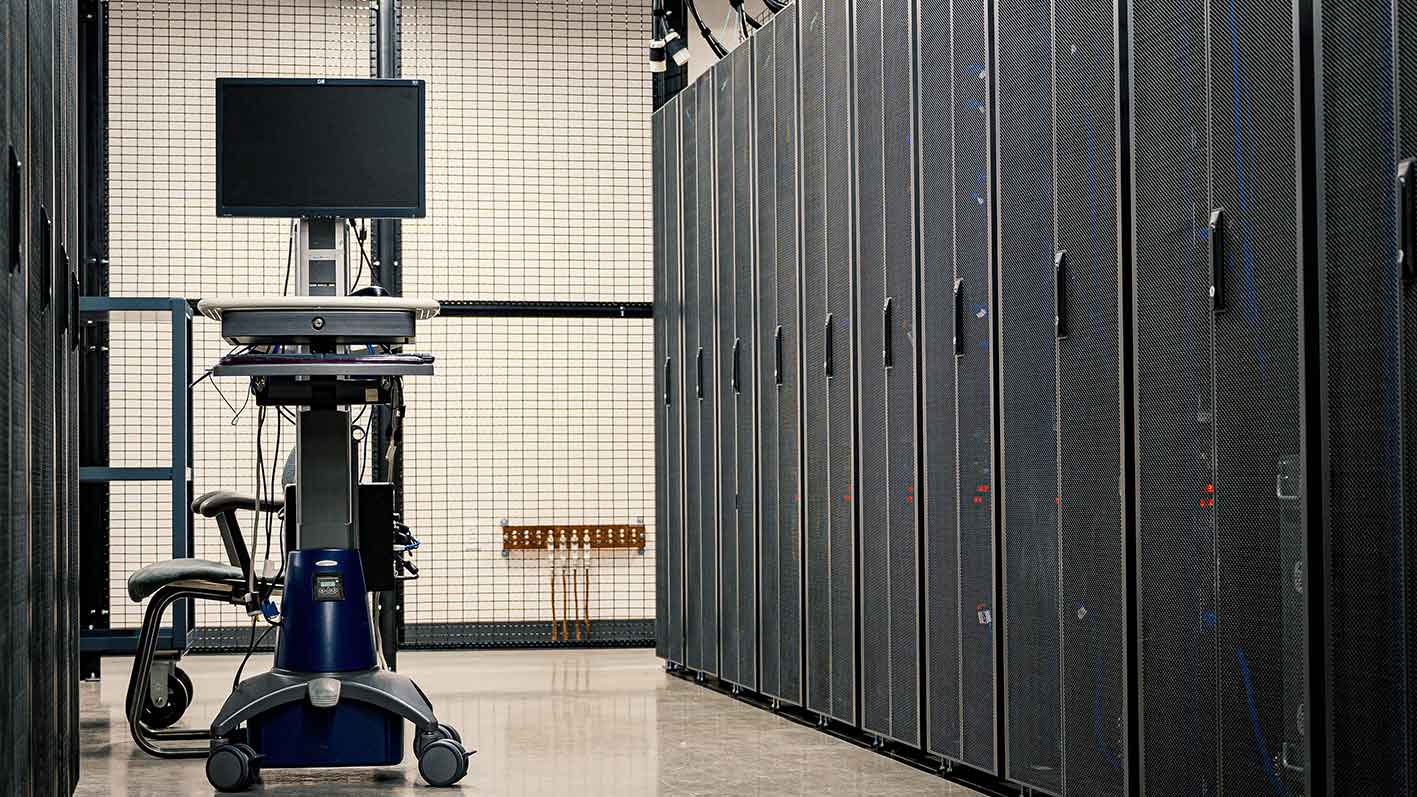
High-Density Data Center Hydronic Cooling Guide
Discover how high-density data centers impact hydronic cooling design, from higher flow demands and liquid cooling to controls, redundancy and thermal risk.
Industry insights. Delivered monthly.
Receive the latest information and resources from Hysopt directly in your inbox. Subscribe now to our monthly newsletter.
Thank you! Your submission has been received!
Oops! Something went wrong while submitting the form.

How Thermal Storage Improves Heating and Cooling Efficiency
Thermal storage tanks help stabilise hydronic systems, improve efficiency and reduce cycling. This article explains how storage works in heating and cooling systems, and why correct sizing is essential.
Comparing Heat Pump Staging Strategies in Real Installations
Heat pump staging determines how capacity is delivered across varying loads. This article compares common staging strategies and explains their impact on efficiency, comfort and hydraulic stability in real installations.
How Parameter Validation Ensures Reliable HVAC Models
Reliable hydronic HVAC modelling depends on correct input parameters. This article explains how parameter validation improves accuracy, prevents simulation failures and strengthens design confidence.
Avoiding Common Simulation Errors in Hydronic Modelling
Simulation errors can hide critical design issues in hydronic networks. Learn the most common causes of failed HVAC simulations and how to avoid them early in the modelling process.
How Sensitivity Analysis Improves HVAC Design Robustness
Sensitivity analysis reveals how design choices affect system performance. Learn how testing parameter variations improves HVAC robustness, stability and energy efficiency.
Dynamic Simulation vs Imposed Load Simulation: When to Use Which?
Hydronic systems behave differently depending on load conditions, control actions and thermal inertia. This article explains when to use dynamic simulation and when imposed load simulation (ILS) gives better insight.
Setpoint Generation: How Profiles Shape HVAC Behaviour
HVAC performance depends heavily on how setpoints are generated. Learn how profiles, ramps and temperature curves shape system response, stability and energy use in hydronic networks.
How Room Controllers Affect System-Wide ΔT and Comfort
Room controllers influence far more than local comfort. Their behaviour affects ΔT, pump performance and the overall stability of hydronic HVAC systems.
Understanding PI Controllers in Hydronic Networks
PI controllers are essential for stable temperature and flow regulation in hydronic HVAC systems. This article explains how they work, why they matter, and how dynamic behaviour influences their performance.
Choosing the Right Control Strategy for Hydronic Systems
A reliable control strategy is essential for stable flow, temperature and energy performance in hydronic HVAC systems. This article explains how to choose the right strategy based on system behaviour and operating conditions.
How Control Valve Authority Impacts HVAC Stability
Control valve authority determines how accurately valves can modulate flow in hydronic HVAC systems. Learn why low authority causes instability and how pumps and hydraulic design influence proper valve behaviour.
Why Composite Circuits Improve Hydraulic Predictability
Composite circuits combine dividing and mixing behaviour into a single hydraulic structure. This article explains why they bring stability, clarity and predictability to complex hydronic systems.
How Headers Influence Flow Stability in Heating and Cooling Systems
Headers play a crucial role in hydronic HVAC systems by distributing flow between circuits. Learn how header design affects stability, temperature control and overall energy performance.
The Role of Tichelmann Loops in Balanced Heating Systems
A clear explanation of how Tichelmann (reverse return) loops help maintain hydraulic balance in heating systems and why they improve stability across multiple circuits.
Why Incorrect Pipe Sizing Destroys System Performance
Mistakes in pipe sizing can cause unstable flows, high pump energy and poor temperature control. This article explains why correct pipe selection is essential for reliable hydronic HVAC operation.
Understanding Hydraulic Circuits: Dividing, Mixing and Throttling
A concise technical overview of how dividing, mixing and throttling circuits shape hydraulic behaviour in hydronic HVAC systems — and why they matter for flow stability and efficiency.
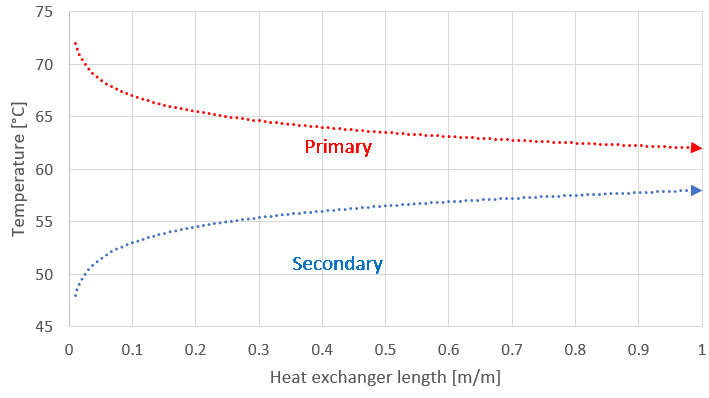
Modelling Heat Exchangers Correctly: The Key to Reliable Heating & Cooling Networks
Accurate heat-exchanger modelling is essential for stable heating and cooling performance. Learn how hydraulic design, flow distribution and part-load behaviour affect real heat-exchange efficiency.
.jpg)
Why HVAC Control Loops Fail (and How to Fix Them with System Simulation)
Unstable HVAC control loops often arise from hydraulic imbalance, poor valve authority and mismatched pump behaviour. Learn how to diagnose and stabilise control loops using system modelling and correct hydraulic design.
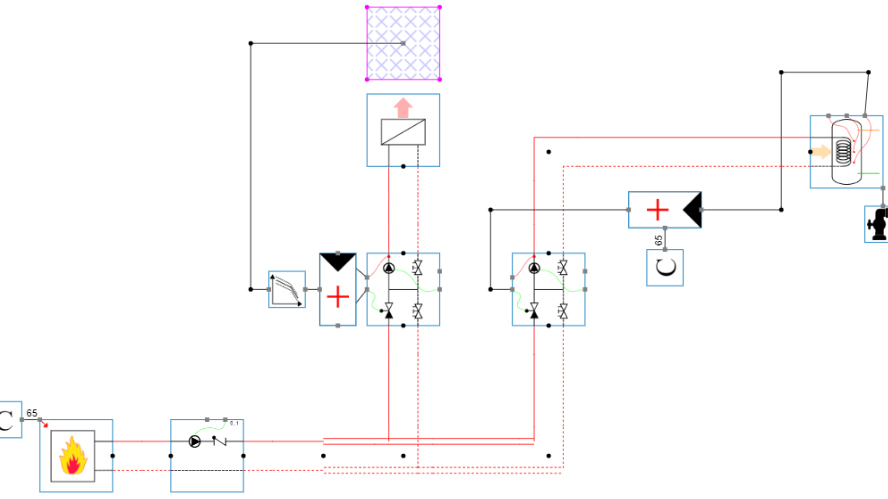
How Domestic Hot Water Systems Behave Under Different Load Profiles
Domestic hot water (DHW) systems face highly variable demand. Understanding how load patterns affect hydraulic behaviour, circulation, storage and system response is essential for stable temperatures and energy-efficient performance.
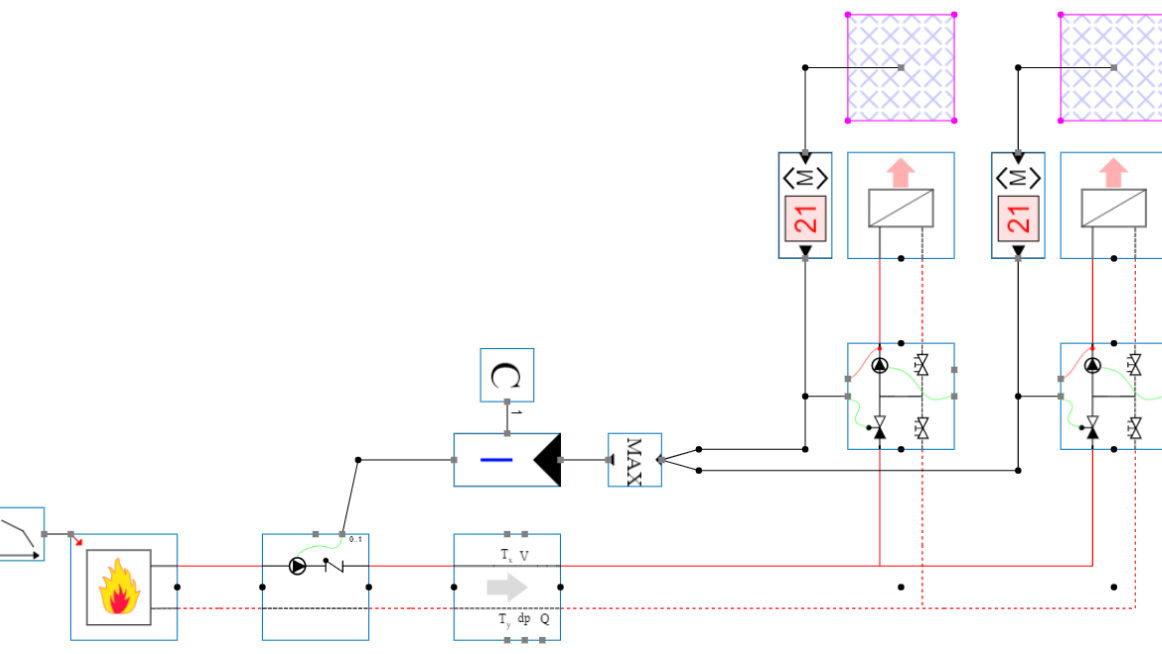
Why Primary–Secondary Coupling Still Causes Errors in Hydronic HVAC Design
Primary–secondary coupling is a powerful hydraulic concept, but small design errors can cause flow imbalance, temperature drift and unstable operation. Learn how correct coupling, circuit separation and pressure zoning improve system reliability.
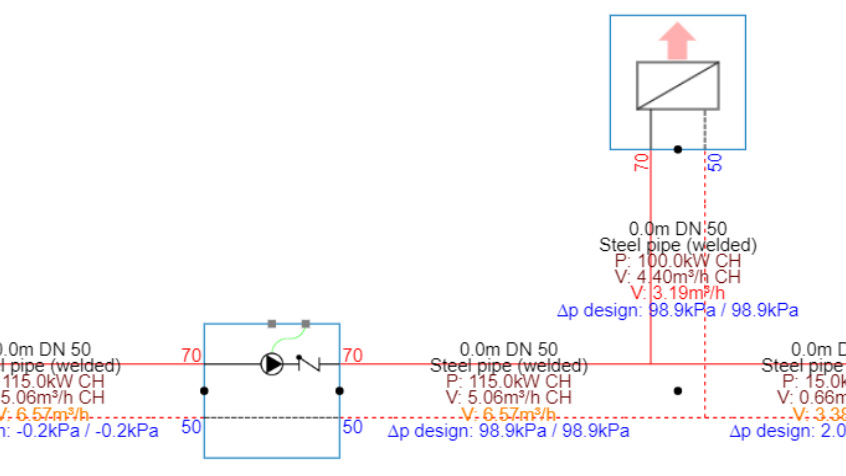
How to Identify and Solve Low Delta-T Syndrome in Heating and Cooling Networks
Low delta-T syndrome often undermines HVAC system efficiency and comfort. Understand how it arises, how to identify it through system modelling and how to fix it with proper hydraulic and control strategies.
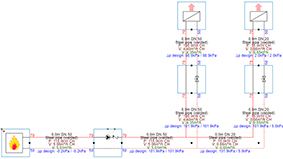
How Differential Pressure Control Is the Key to Stable HVAC Systems
Differential pressure control is essential for hydraulic stability in modern HVAC systems. Discover how controlled Δp improves flow distribution, comfort and pump efficiency in variable flow networks.
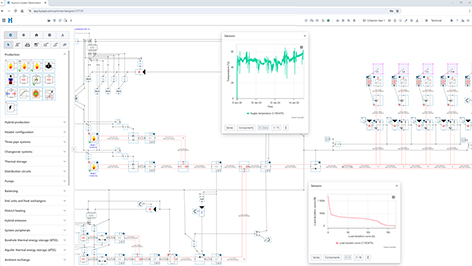
Dynamic Simulation for Chilled Water Systems: What Engineers Usually Miss
When designing chilled-water systems for HVAC, dynamic simulation reveals performance issues that standard calculations miss. Learn how variable flow, part-load behaviour and system control impact efficiency and comfort.
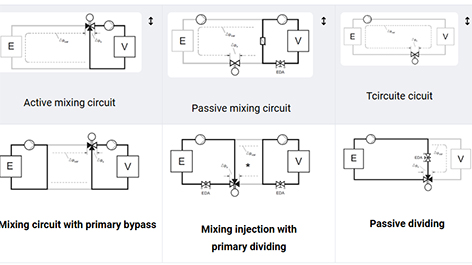
The Real Impact of Valve Authority on HVAC System Stability
Valve authority is a key determinant of system stability in hydronic HVAC. Explore how hydraulic design, pump control and valve dynamics interact — and how poor authority leads to instability and comfort issues.
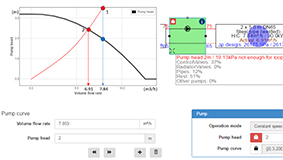
How Pump Curves, Control Strategies and System Dynamics Shape Real HVAC Performance
Selecting the correct pump curve and control strategy makes a major difference in HVAC performance. Learn how variable flow systems respond to system dynamics, and why incorrect pump selection leads to comfort issues and higher energy costs.
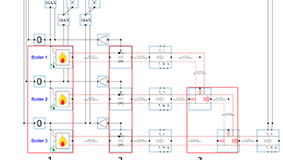
Why Hydronic System Modelling Outperforms Traditional Calculation Methods
Hydronic system modelling provides a far more accurate understanding of HVAC performance than traditional spreadsheet calculations by capturing real hydraulic interactions, component behaviour and dynamic operating conditions.
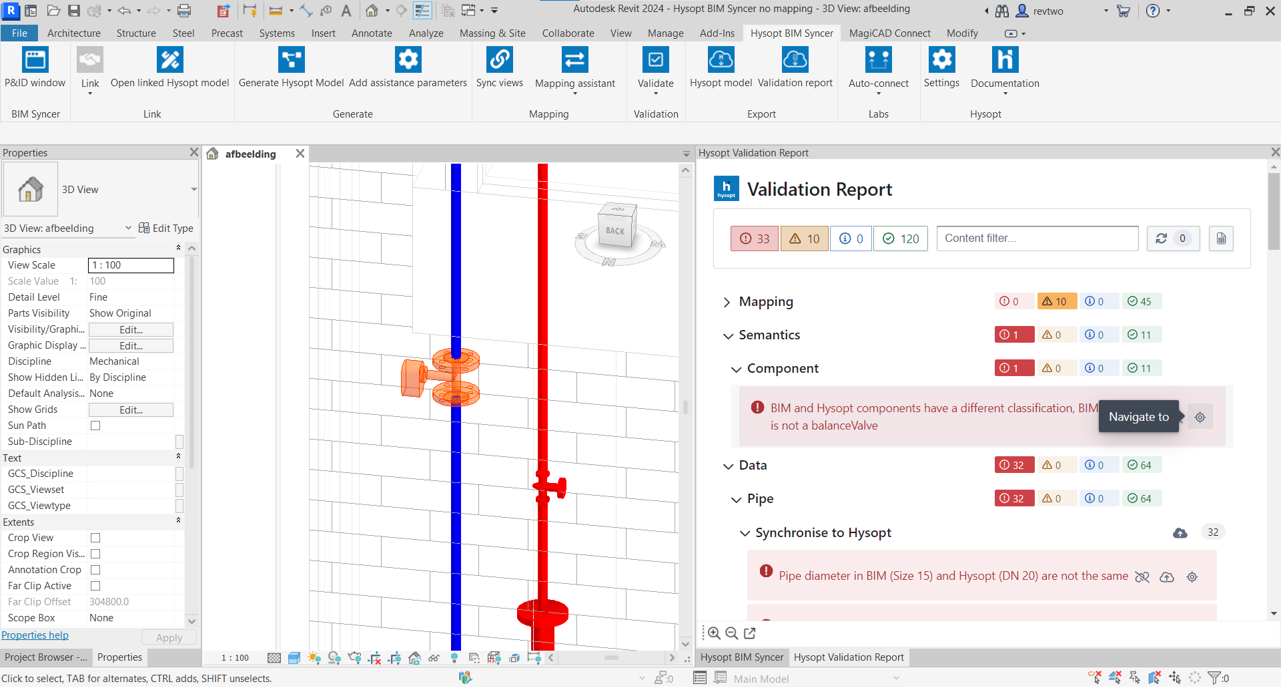
From Validated P&IDs to BIM: How Hysopt and Autodesk Eliminate HVAC Rework
Discover how Hysopt’s integration with Autodesk® Revit® enables engineers to validate HVAC system performance and sync approved P&IDs into BIM — reducing rework, errors, and time at commissioning.
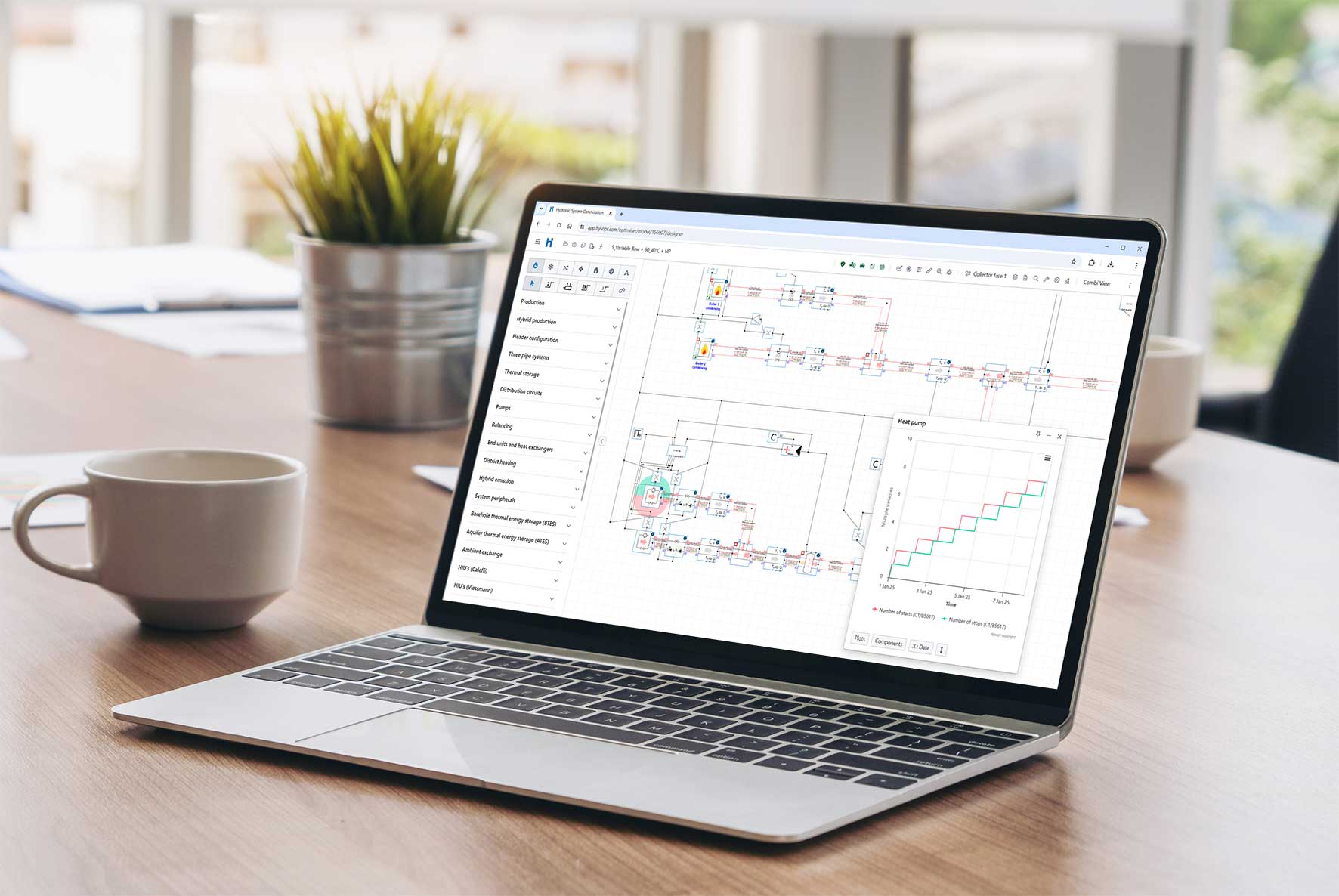
How Hysopt and Autodesk Bring HVAC Simulation and BIM Together for Smarter, Low-Carbon Design
Discover how Hysopt’s integration with Autodesk® Revit® empowers engineering teams to right-size HVAC systems, boost efficiency, and hit decarbonisation targets through simulation-driven design.

Streamlining HVAC Engineering with Automated Design Exploration
Manual calculations slow down HVAC projects and limit the number of design paths engineers can explore. Learn how automated design exploration improves speed, accuracy, and confidence across every stage of the engineering workflow.
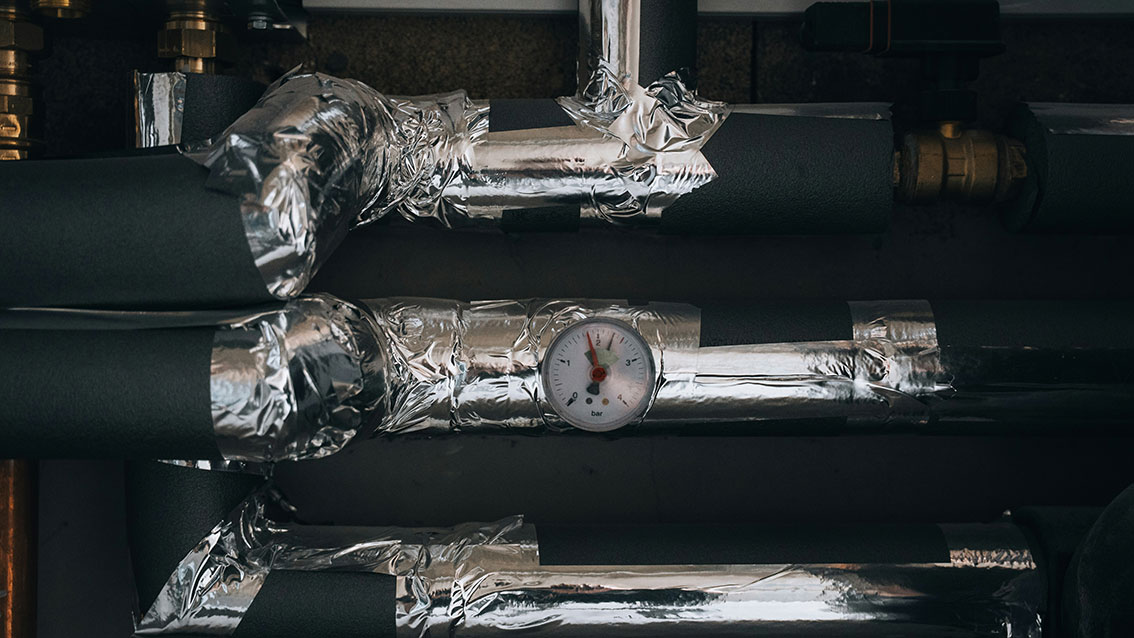
How to Balance Speed and Accuracy in HVAC Design
Fast project timelines shouldn’t come at the cost of reliable performance. Learn how modern HVAC engineers balance speed and accuracy by combining automation, simulation, and system-level insight.

Why Engineers Need Fast Concept Comparison in Modern HVAC Projects
Modern HVAC projects demand quick, reliable comparison of multiple design concepts. Learn why fast concept analysis empowers engineers to optimise performance, reduce risk, and make smarter decisions under pressure.
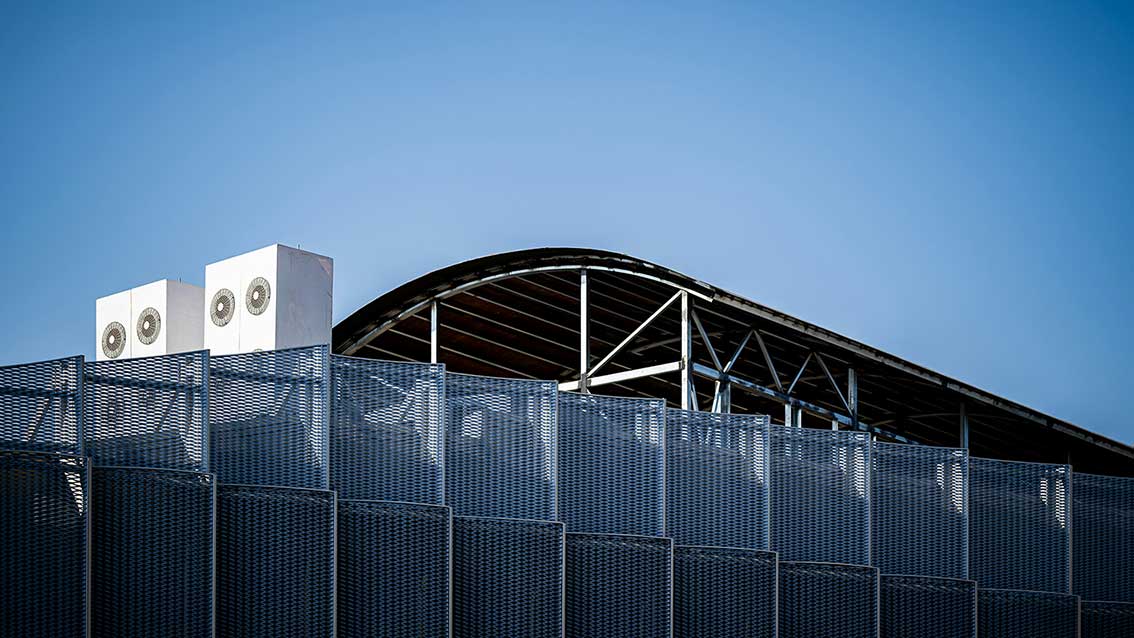
The Benefits of Early HVAC Design Exploration
Early design exploration helps engineering teams avoid late-stage surprises, compare more concepts, and build systems that deliver predictable performance. Learn why starting early is key to smarter, faster HVAC design.

Exploring HVAC Design Options Faster with Simulation Tools
Engineering teams no longer need to rely on time-consuming manual iterations to explore HVAC design options. Discover how simulation tools accelerate concept development, improve design confidence, and unlock faster, smarter decision-making.

The Future of HVAC Engineering is Quantifiable
Gut feeling and isolated calculations can’t keep up with today’s HVAC complexity. Discover why the future of HVAC engineering is fully quantifiable — driven by simulation, verifiable data, and transparent system-level insights.
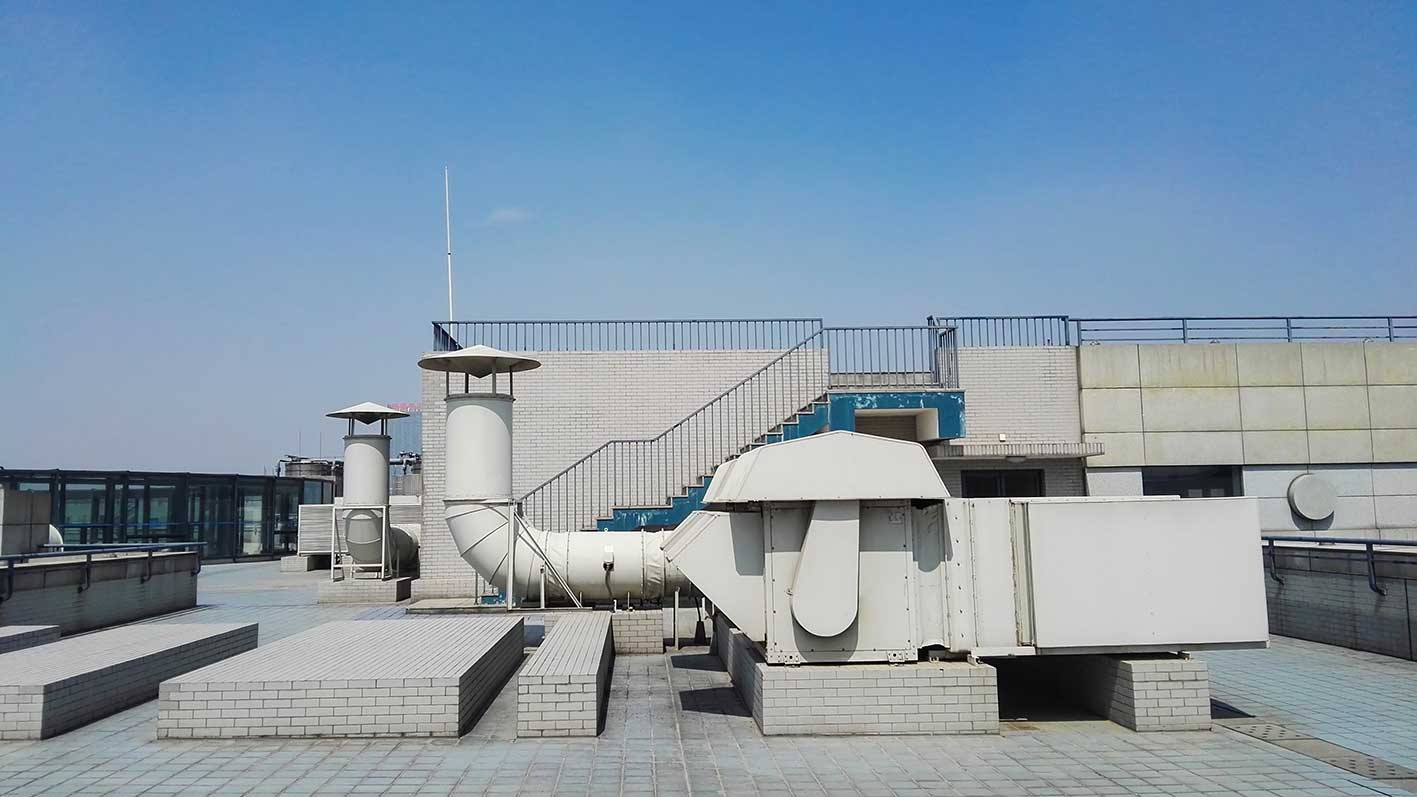
Avoiding HVAC Design Conflicts Through System-Level Analysis
Design conflicts in HVAC projects often stay hidden until installation — when they’re most expensive to fix. Learn how system-level analysis helps engineers predict issues early, align stakeholders, and defend every design decision with confidence.

Proving HVAC Design Decisions with Real Performance Evidence
HVAC engineers need more than drawings — they need defensible, data-backed evidence that proves design performance with clarity and confidence.

Why Simulation Beats Gut Feeling in HVAC Engineering
HVAC engineering is too complex for intuition alone. Discover why simulation-based design outperforms gut feeling, eliminates hidden risks, and helps engineers defend every decision with confidence.

How Data-Driven HVAC Design Reduces Risk and Rework
Rework and redesigns cost time and trust. Learn how data-driven HVAC design helps engineers reduce uncertainty, defend every decision, and deliver systems that perform as expected — the first time.

Delivering on Promises: Turning First-Time HVAC Clients into Partners
Winning an HVAC project is only the beginning. Learn how consistent delivery, transparent communication, and performance validation help engineers turn new clients into long-term partners.

Using Digital Twins to Strengthen Client Trust in HVAC Projects
Digital twins are reshaping how HVAC engineers build client relationships. Discover how virtual models provide transparency, real-time insight, and ongoing performance validation that earns lasting trust.

The Power of Post-Project Data in Winning Repeat Business
Winning the next HVAC project starts with how you manage the last one. Learn how post-project data and digital tools help engineers maintain client relationships, prove performance, and drive continuous improvement.

How to Keep Clients Coming Back with Proven HVAC Results
Winning a client once is good — keeping them for years is better. Discover how transparency, performance proof, and long-term monitoring help engineering teams turn HVAC projects into lasting partnerships.

Why Transparency Builds Long-Term HVAC Client Relationships
Long-term HVAC partnerships are built on more than project delivery — they depend on trust, transparency, and performance that clients can see. Discover how clear communication and data visibility help engineering teams win loyalty beyond the first job.

From Design to Delivery: Showing HVAC Performance with Confidence
Moving from design to delivery doesn’t have to mean losing control of quality. Learn how digital HVAC tools help engineers prove design intent, validate results, and communicate performance clearly across every project phase.

Design Validation Made Simple: HVAC Tools That Speak for You
Validating HVAC design quality doesn’t need to be complex. Discover how modern HVAC tools automate performance checks, document design logic, and communicate results clearly to clients and contractors.

Why Quality Communication Wins Clients in HVAC Projects
Technical skill isn’t enough to win modern HVAC projects — communication is what turns design expertise into client confidence. Discover how clarity, transparency, and collaboration strengthen relationships and secure repeat business.

Building Trust Through Transparent HVAC Documentation
Transparent HVAC documentation builds credibility long before installation begins. Discover how digital tools help engineers communicate design intent, validate assumptions, and win client trust through clarity.

How to Prove HVAC Design Quality with Data, Not Slides
In a world where clients demand proof, not promises, HVAC engineers must move beyond PowerPoint slides. Learn how data-driven design tools turn complex HVAC models into clear evidence of quality and performance.

How to Present HVAC Design Proposals That Win Client Confidence
A successful HVAC design proposal doesn’t just meet technical specs — it builds trust. Discover how data, clarity, and digital tools help engineers present proposals that stand out and win more projects.

Turning Concept Designs Into Competitive Advantages
Concept designs are more than sketches — they’re your first opportunity to win trust, prove expertise, and secure projects. Learn how modern HVAC design tools turn early-stage ideas into winning proposals.


.png)
.png)