
Blog
Validated by ISSO
The Hysopt software has been validated by ISSO. The report literally praises our software as a "powerful tool for optimizing HVAC systems".

Latest blogs

How Redundant Cooling Changes Data Center Water Sizing
Discover how redundant cooling changes data center water sizing and how dynamic simulation helps validate flow, pressure, pumps, valves and failover conditions.

How Rack Density Complicates Hydronic Data Center Cooling
Discover how higher rack density complicates hydronic data center cooling and how dynamic simulation helps validate flow, pressure, controls, redundancy and liquid cooling.
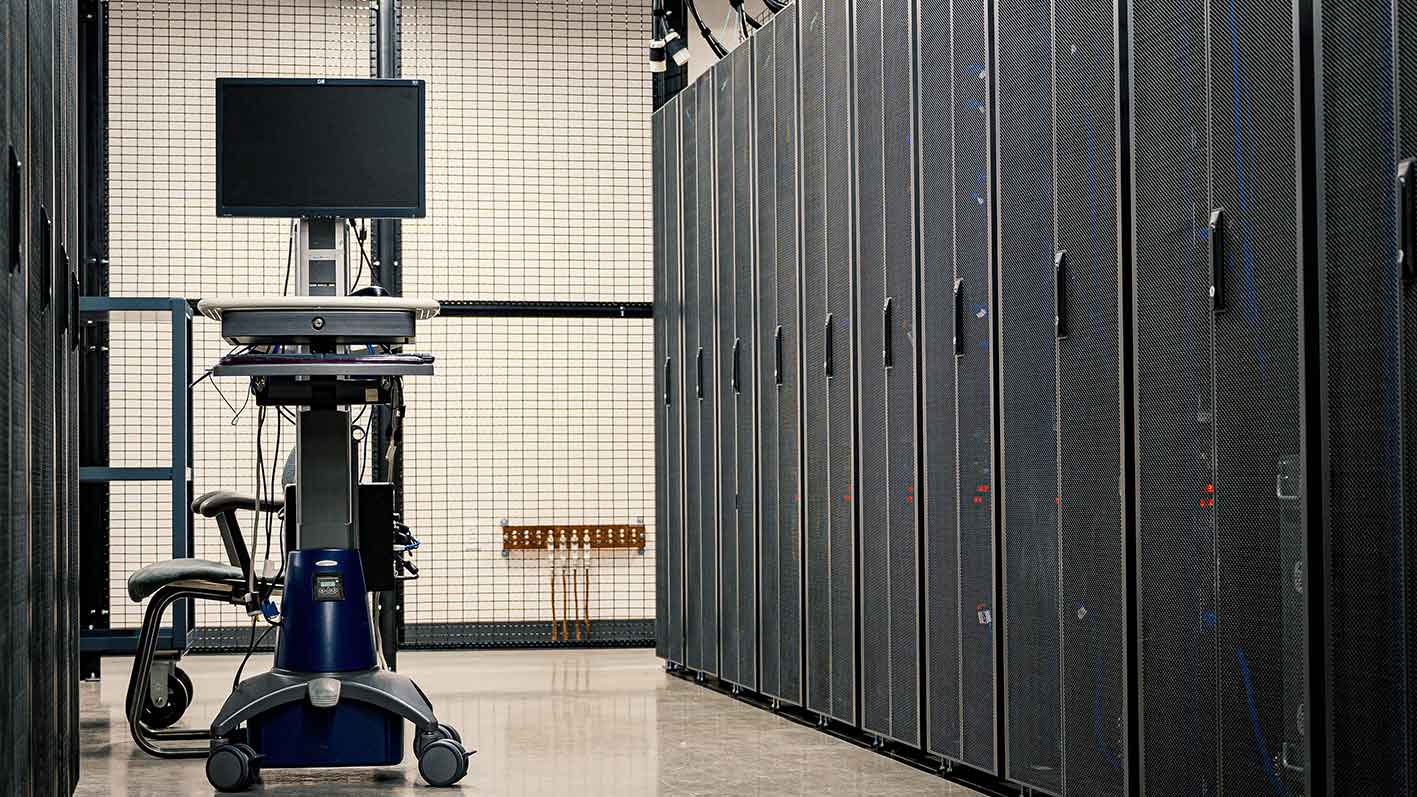
High-Density Data Center Hydronic Cooling Guide
Discover how high-density data centers impact hydronic cooling design, from higher flow demands and liquid cooling to controls, redundancy and thermal risk.
Industry insights. Delivered monthly.
Receive the latest information and resources from Hysopt directly in your inbox. Subscribe now to our monthly newsletter.
Thank you! Your submission has been received!
Oops! Something went wrong while submitting the form.

Why Speed and Accuracy Matter in HVAC Tendering
In HVAC project tendering, time is your most valuable asset — but accuracy wins trust. Learn how fast, data-backed design proposals help engineering firms secure bids and deliver consistent results.

The Role of Digital Tools in Faster HVAC Design Submissions
Fast, accurate HVAC design submissions win projects. Learn how digital tools reduce proposal time, prevent errors, and help engineers deliver higher-quality designs under tight deadlines.

How to Create Winning HVAC Proposals in Less Time
Winning more HVAC projects isn’t just about price — it’s about demonstrating technical confidence and value faster. Here’s how digital tools help engineers deliver accurate, high-impact proposals in record time.
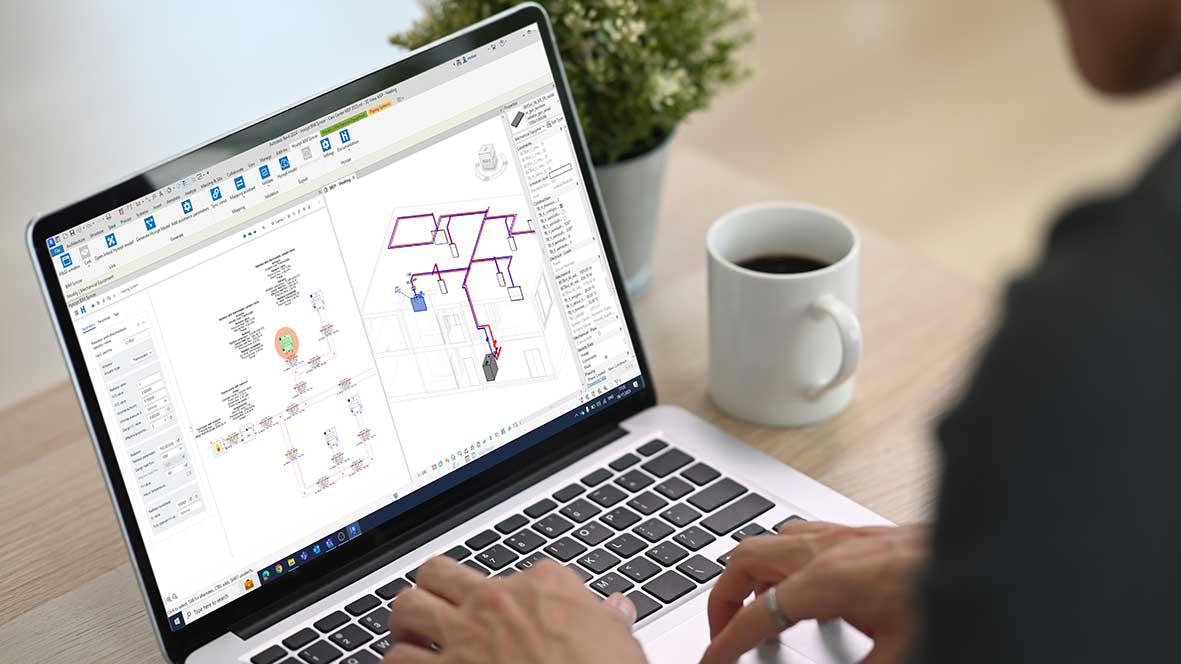
Bridging the Gap Between HVAC Engineering and BIM Modelling
When it comes to designing efficient HVAC systems, engineers and BIM modellers have long worked in parallel — not in sync. While engineers focus on hydraulic calculations and system functionality, BIM modellers concentrate on spatial layout and component placement. The result? A digital disconnect that often leads to errors, rework, and unnecessary costs. That’s where the Hysopt BIM Syncer, developed in collaboration with Autodesk®, changes the game.
.jpg)
Closing the HVAC Performance Gap: Why It Matters More Than Ever
Many HVAC systems underperform compared to their design specs. In this blog, we explore how closing the performance gap helps you deliver on efficiency promises, reduce waste, and build long-term value across your portfolio.

Net-Zero HVAC in 2026 Building Codes: What You Need to Know
Net-zero is no longer a future goal—it’s the new baseline. As 2026 building regulations take effect across the UK and EU, the pressure is on to ensure HVAC systems don’t just meet minimum efficiency thresholds but actively contribute to decarbonisation strategies. For engineers, contractors and portfolio owners, that shift is more than technical. It changes how systems are designed, commissioned, and justified from the very first sketch.
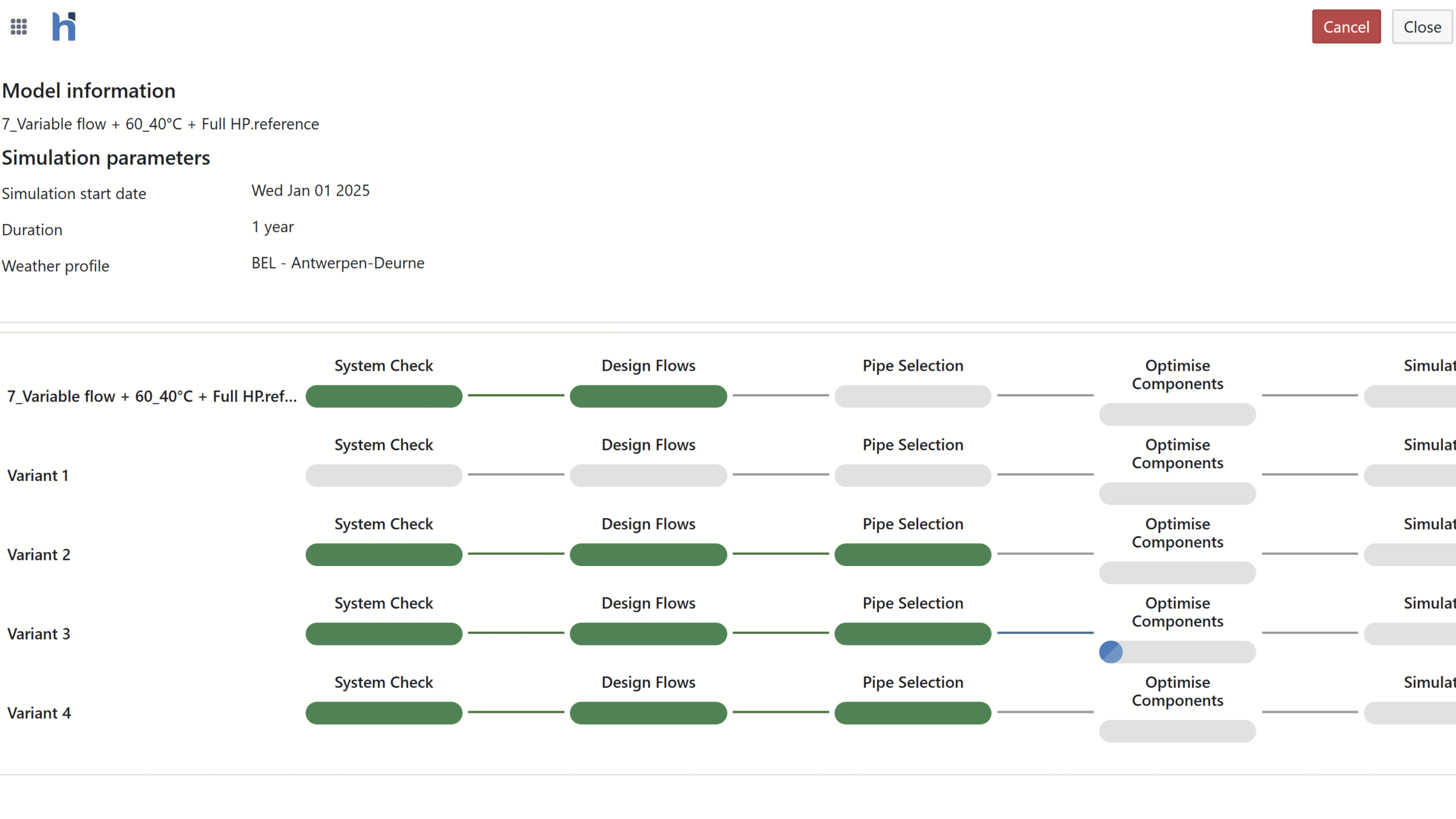
How Sensitivity Analysis Improves Hydronic Efficiency
Even small variations in flow and diameter choices can create long-term inefficiencies in hydronic HVAC systems. Sensitivity analysis allows engineers to test, refine, and confidently select the most efficient system configuration—reducing energy use and cost without compromising comfort.

How Digital Twins Will Reshape HVAC by 2030
By 2030, digital twins will be the standard in HVAC system management. Discover how they help optimise performance, cut emissions, and reduce lifecycle costs—especially across large building portfolios.

Why Spreadsheets Fall Short for HVAC System Design
Spreadsheets may be familiar tools, but they aren’t built to model the physics of complex HVAC systems. In this blog, we explore the limitations of traditional tools—and what engineers gain when they switch to HVAC-specific software.
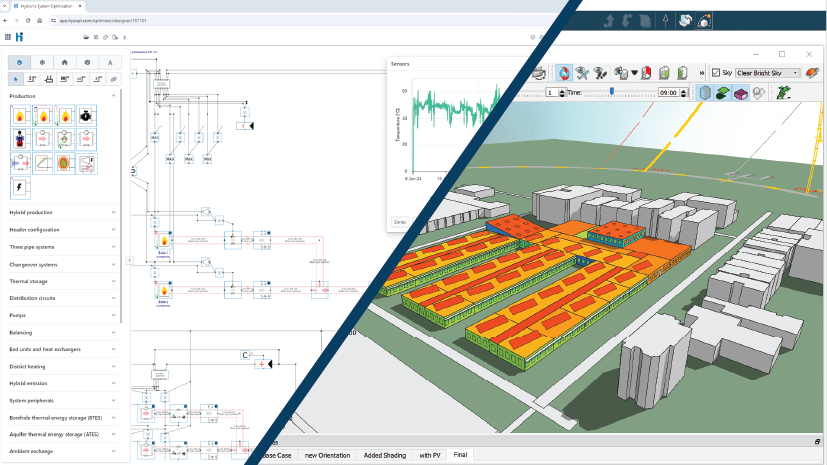
Understanding the difference between Building Simulation Software and Hysopt
This blog explains the key differences and compatibilities between building simulation software and Hysopt, showing how the two complement each other to deliver more reliable, efficient, and verifiable HVAC systems.
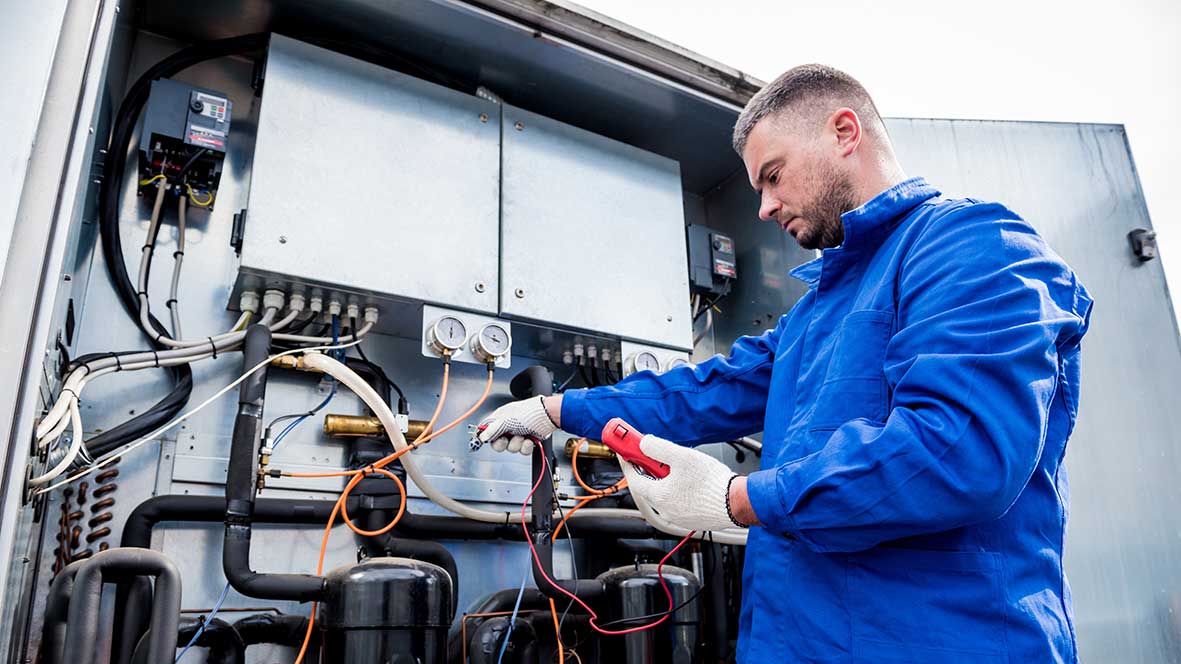
Control Strategy as the Backbone of Efficient HVAC Systems
Control strategy is essential for HVAC systems to operate efficiently and reliably. Discover how well-calibrated sensors, controls, and monitoring ensure comfort and energy savings.

Commissioning HVAC Systems That Truly Perform
A structured commissioning process ensures an HVAC system works correctly from day one. Discover how planning, coordination, and quality control make the difference.

HVAC Software That Designs Smarter and Delivers Better-Performing Systems
HVAC software gives engineers and designers the insight and tools to size systems accurately, save energy, and enhance comfort. Discover how simulation and data make the difference.

Commissioning an HVAC System: Step by Step to a Flawless Handover
A well-planned commissioning process ensures a smooth HVAC handover. Follow this step-by-step guide for an efficient and error-free transition to operational use.
Common Mistakes in HVAC Installations and How to Avoid Them
An HVAC installation can fail due to incorrect sizing, poor coordination, or incomplete documentation. Discover the most common mistakes and how to prevent them through smart preparation and validation.
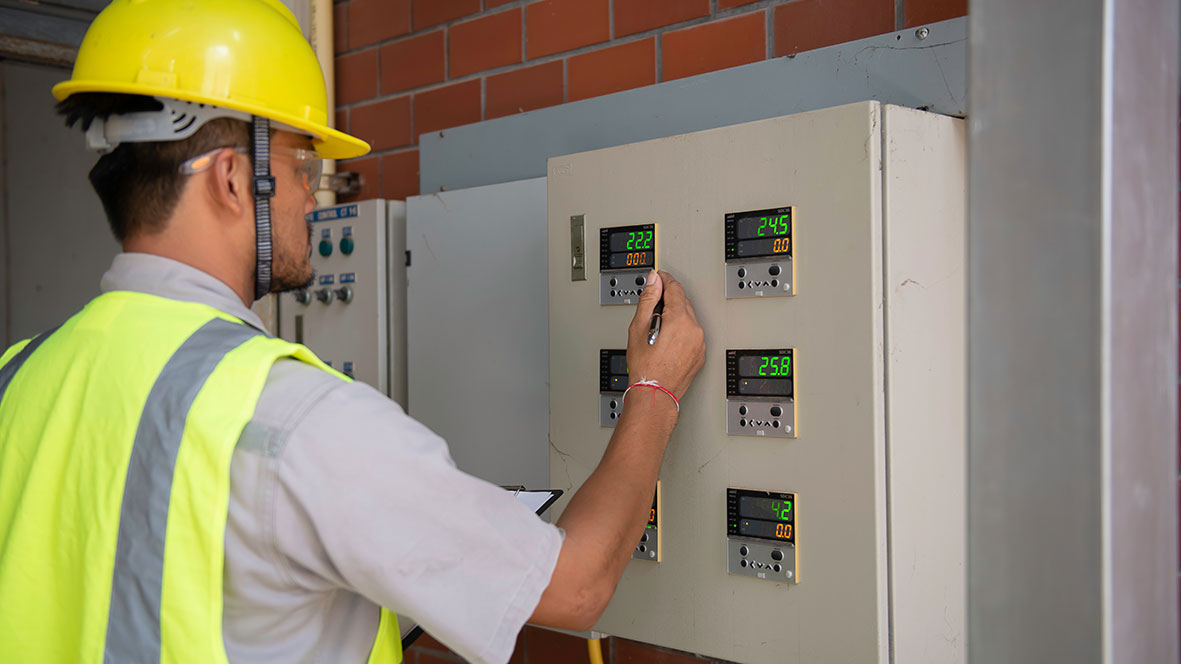
How Control Strategy Prevents Failures and Inefficiency in HVAC Systems
Control strategy keeps HVAC systems stable, efficient, and free from failures. Discover how smart control strategies prevent problems and enhance performance.

HVAC Installation That Performs from Day One
An HVAC installation should work as intended from the very first day. Discover how design, execution, and commissioning together ensure performance, comfort, and energy efficiency.

The Biggest Mistakes When Choosing HVAC Software (and How to Avoid Them)
Not every HVAC software fits every project. Discover the most common mistakes when choosing software, and how to avoid investing in the wrong tool.

A year of strategic Partnership with Autodesk
Hysopt marks one year as an Autodesk AEC Strategic Partner—combining BIM integration with physics-based HVAC software to improve MEP analysis, project delivery and decarbonisation.

What Engineers Really Need From Their HVAC Computer Software
Modern HVAC computer software should go far beyond load calculations. Discover what engineers value most—simulation accuracy, BIM integration, and confidence in system performance.

HVAC Business Software: How to Choose a Platform That Grows with Your Portfolio
From lifecycle modelling to performance tracking, today’s HVAC business software needs to do more than calculations. Learn how to choose tools that scale across your entire estate.

Turning System Data Into Action with HVAC Management Software
HVAC management software helps facility teams go beyond monitoring to active optimisation. Learn how the right tools improve comfort, reduce costs, and support smarter planning.

Why HVAC Software Is Essential for Accurate Design and System Efficiency
HVAC software helps engineers move beyond guesswork to data-driven system design. Discover how simulation tools improve sizing, coordination, and operational performance.

HVAC Contractor Software That Helps Get it Right the First Time
Contractors need HVAC software that ensures systems are built right, documented properly, and easy to commission. See how the right platform improves quality and coordination.

Hysopt x IMI: smart collaboration for precise hydraulic design
We’re proud to announce a new partnership with IMI, bringing their balancing and control valves into Hysopt’s software. This integration enables HVAC engineers to design smarter and faster with automated valve selection, real-time optimisation, and accurate system performance from the start.
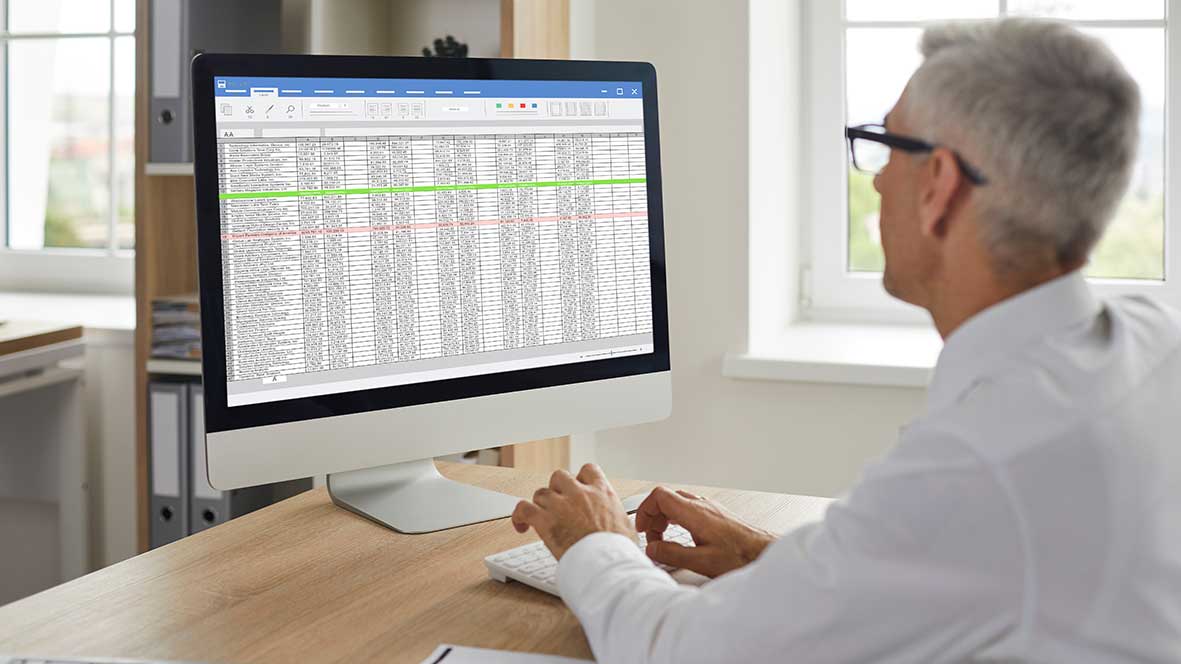
How HVAC Software Replaces Spreadsheets and Manual Errors
Spreadsheets and static drawings can’t keep up with today’s HVAC complexity. Learn how HVAC software boosts design accuracy, efficiency, and system performance.

The Complete Guide to Choosing HVAC Software for Your Building or Project
Looking to invest in HVAC software? Learn how to compare HVAC computer software and HVAC planning software based on functionality, integration, and ROI—so you choose the right fit for your building or project.

Top 5 Challenges in Heating and Cooling Systems—and How to Solve Them
Struggling with an HVAC heating and cooling system that doesn’t perform as expected? Discover the most common challenges in HVAC systems and how simulation-based solutions can restore comfort, efficiency, and control.

Heating and Cooling Systems: Making the Right Choice for Your Building
Choosing the right HVAC heating and cooling system can reduce energy use, improve comfort, and cut operating costs. Learn how to evaluate your options by use case, climate, and budget.

Choosing the Best HVAC System for New Construction Projects
Selecting the right HVAC system in the design phase can make or break the performance of a new building. Learn how to align system selection with building needs, reduce emissions, and improve long-term ROI.

HVAC Systems 101: Understanding, Optimising, and Future-Proofing Your Building
Curious how your HVAC system really works—and how to make it smarter, cleaner, and more cost-effective? Discover modern techniques, tools, and simulations that bring your HVAC heating and cooling system into the future.

Standardising HVAC Engineering Across Sites with Hysopt
Fragmented HVAC design leads to inconsistency and risk. Discover how Hysopt’s template-driven approach helps standardise system logic, accelerate delivery, and improve outcomes across your portfolio.

Using Digital Twins to Sustain HVAC Performance Over Time
HVAC simulations don’t end at handover. Learn how digital twins help detect faults, track system drift, and forecast performance—keeping systems efficient year after year.

How to Use Simulation to Prioritise HVAC Retrofit Budgets
Don’t spread retrofit budgets evenly—target what matters. Learn how simulation helps you rank HVAC systems, forecast outcomes, and invest where returns are proven.

Managing HVAC Risk Across a Decentralised Estate
Large estates face more than isolated faults—they face patterns of inefficiency. Learn how to detect systemic HVAC risks and standardise response strategies across your portfolio.

Preserving HVAC Knowledge with Digital System Models
Engineers leave. Teams change. Systems evolve. Learn how to capture and retain HVAC expertise through simulation—so critical knowledge doesn’t disappear when people do.

Predictive HVAC Maintenance Powered by Simulation and Sensors
Reactive HVAC maintenance costs time and money. Learn how predictive, model-driven servicing helps teams act before breakdowns—based on hydronic behaviour, not guesswork.

Benchmarking HVAC Energy Use Across Your Portfolio for Smarter Action
Tracking HVAC energy performance is the first step. Learn how benchmarking across buildings helps you prioritise upgrades, reduce carbon, and improve system-wide efficiency.

Making Smarter HVAC Decisions with Portfolio-Level Data
Too many HVAC upgrades are based on assumptions. Discover how data-driven insights help prioritise the right projects, at the right time, with measurable return.

Standardising HVAC Maintenance Across Building Portfolios
Inconsistent maintenance leads to rising costs and falling performance. Learn how to unify HVAC upkeep across sites with smart templates, predictive insight, and model-based workflows.

Monitoring HVAC Performance Across Your Portfolio with Digital Twins
Gain full visibility into HVAC system behaviour across your buildings. Discover how digital twins and smart dashboards turn fragmented data into performance you can trust.

Case Study on HVAC Project Success Through Integrated Delivery
See how a simulation-led, collaborative HVAC project avoided delays, aligned stakeholders, and delivered results—on time, on budget, and as designed.

Staying Flexible in HVAC Project Delivery Without Losing Control
HVAC projects rarely go exactly to plan. Learn how simulation enables fast, confident adjustments—so late-stage changes don’t derail delivery.

Time Management Strategies That Keep HVAC Projects on Track
Missed deadlines and last-minute fixes don’t have to define HVAC projects. Learn how system-based planning helps avoid delays, reduce rework, and deliver on time.

Budgeting HVAC Projects with Confidence and Clarity
Most HVAC budgets are based on guesses. Learn how simulation improves accuracy, balances capital and operational costs, and helps justify smart investments.

How to Build Skilled HVAC Teams Through Simulation-Driven Training
Strong HVAC projects start with skilled teams. Learn how simulation and digital tools create faster learning, smarter decision-making, and knowledge that sticks.
Using Technology to Streamline HVAC Project Delivery
HVAC projects are complex—but they don’t have to be chaotic. Discover how digital tools simplify coordination, track performance, and ensure smooth delivery from design to handover.

Best Practices for Quality Assurance in HVAC Installations
HVAC systems succeed or fail at the point of installation. Learn how model-based QA practices help get it right the first time—minimising rework and delivering performance as designed.

Aligning Stakeholders for Successful HVAC Project Delivery
Miscommunication leads to cost, delays, and confusion. Learn how transparent HVAC design—backed by simulation—aligns clients, engineers, and contractors for smooth delivery.

Managing Risk in HVAC Projects with Pre-Build Validation
From budget overruns to commissioning delays, HVAC projects carry real risks. Learn how simulation-led planning reduces uncertainty—and helps you deliver with confidence.


.png)
.png)